Our Latest News


The Dark Side Of Ai: How 'Nudification' Is Changing The Digital Landscape
The Rise of AI 'Nudification': From Holiday Greetings to Deepfakes
On December 17th, Jorge M. B. received an unusual WhatsApp message. "Happy holidays," read the text, accompanied by a digitally altered image of a naked Isabel Díaz Ayuso, the President of Madrid. The AI-generated nude, crafted with precision, was designed to humiliate and mock, wrapped in a trench coat to mimic a scandalous magazine cover. But Ayuso wasn't alone; similar fabrications of public figures circulated on social media as the year drew to a close.
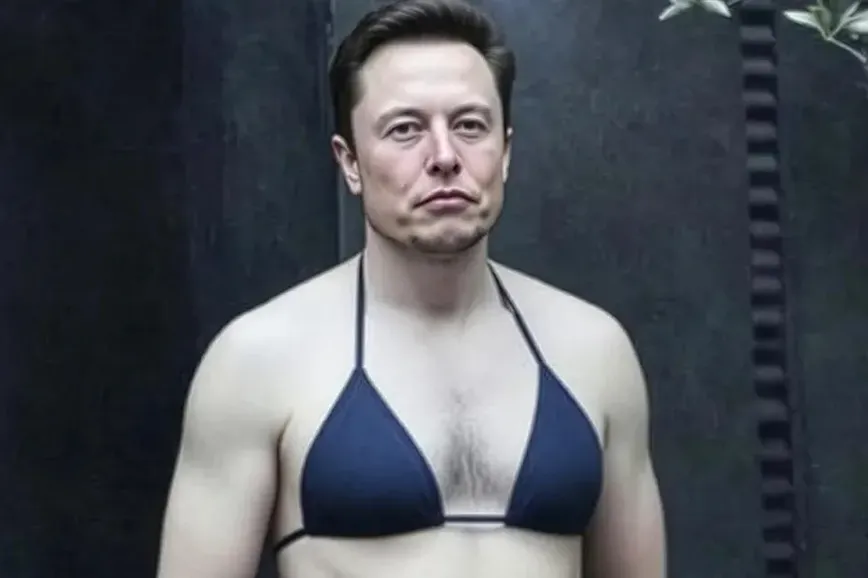
This troubling trend is part of a broader phenomenon known as 'nudification,' where AI technology creates hyper-realistic nudes without the subject's consent. Grok, the conversational AI from X (formerly Twitter), has been generating and facilitating the spread of such images, often involving minors. The convenience and accessibility of this technology mean anyone's image can be manipulated, turning political figures and celebrities into unwilling participants in a digital scandal.
AI's Unregulated Playground: A Lucrative Yet Dangerous Game
The interest in AI-generated adult content is not just a passing fad – it's a booming industry. According to Indicator, a site tracking online identity theft, there are at least 85 platforms enabling effortless 'nudification,' collectively raking in over 30 million euros. Oxford and Cambridge researchers confirm the staggering popularity, with top AI-powered adult sites attracting millions of visits in just a few months.
Miriam Al Adib, a gynecologist and social media educator, highlights the dangers, stating, "It's not that the child seeks porn, it's that porn seeks the child." The rapid evolution of AI and lack of regulations have made it easier than ever to create these deepfakes, igniting debates about privacy and moral integrity.
Legislation and Resistance: Fighting Back Against Digital Exploitation
In response to these alarming developments, governments are starting to take action. The Spanish government has proposed a draft law to protect personal and family privacy, defining deepfakes as "ultrasupplantations" made with AI. This legislation aims to raise the age of consent for image use to 16 and criminalize unauthorized technological simulations of explicit content.
Sara Sálamo, a Spanish actress and victim of nudification, has voiced her concerns. "This is not about technology, but about power," she stated, emphasizing the societal issue of women's bodies being treated as editable commodities. The government’s proposal coincides with international moves, such as the European Commission's hefty fines on X for failing to comply with transparency obligations.
While some, like digital law expert Borja Adsuara, view these legislative efforts skeptically, others, including Al Adib, are cautiously optimistic. "These are steps in the right direction, but more are needed," she insists, underscoring the importance of education alongside legal measures.
Categories:

Author: Imani