
Our Latest News


Age-Check Laws: The New Digital Frontier Across The Globe
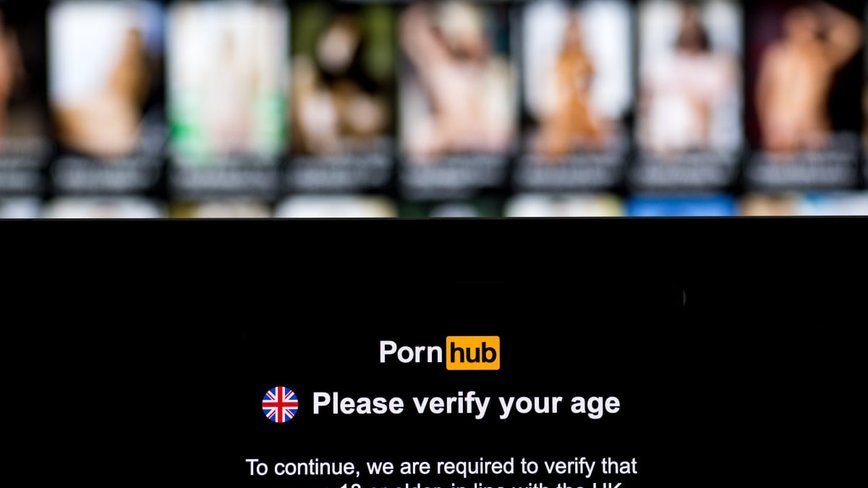
Age Verification: A Global Phenomenon
Age-verification laws have become a prominent feature of the digital landscape, aiming to control access to explicit content. These laws, known more formally as age assurance measures, require users to prove their age before accessing certain online materials. Unlike the old-school checkbox, these regulations often demand detailed personal information like government IDs or facial scans.
While intended to shield minors from adult content, many experts remain skeptical about their effectiveness. "Age verification doesn’t always hit the mark," a cybersecurity expert commented, pointing out that VPNs and international websites often bypass these measures. Furthermore, these laws have raised alarms about digital privacy, with risks such as identity theft looming.
United States: A State-Led Approach
In the US, the age-verification laws are a patchwork of state-specific regulations. Louisiana kicked things off in 2023, sparking a trend that other states quickly followed. By 2025, the Supreme Court upheld these laws as constitutional, paving the way for broader adoption. Currently, states like Alabama, Texas, and Florida have enacted such legislation, making them leaders in this regulatory wave.
United Kingdom: Setting the Bar High
The UK's Online Safety Act, effective since July 2025, has set a high standard with its stringent age-verification requirements. These measures can include anything from verifying banking details to using facial recognition. Non-compliance could cost companies millions in fines, as the UK's watchdog, Ofcom, steps up enforcement.
France: Legal Hurdles and Industry Pushback
France's approach, operational since June 2025, mandates a "double-blind" verification system, ensuring neither the website nor the age-check service can see both sides of the transaction. Though briefly halted, France's highest court reinstated the law, causing a tumultuous back-and-forth with major sites like Pornhub.
Italy & Beyond: Expanding Regulations
Italy will roll out its own measures this November, demanding that explicit content sites use certified third parties for robust age checks. The list of required websites includes major players like Pornhub and OnlyFans. Meanwhile, Australia and China are adopting varied protocols, from blurring explicit content by default to implementing real-name verification for digital services.
The march of age-verification laws continues unabated, as more countries join the fold. Oliver Griffiths, Ofcom's Group Director for Online Safety, emphasized the global nature of this issue, indicating a trend towards establishing universal norms in digital safety.
Categories:

Author: Cole