Our Latest News


Ai'S New Playground: The Untapped Opportunities And Hidden Pitfalls In Children'S Tech
AI's Role in Education: A New Era for Learning
Rocket Learning is making waves in India by tailoring AI for rural children, breaking language barriers that often hinder education. Co-founder Vishal Sunil highlighted the challenges of adapting AI models, which are largely based in English-speaking environments, to cater to India's diverse linguistic landscape. The company is building a vernacular content bank, ensuring that AI can teach in native languages while respecting cultural nuances.
“We’re fixing that by building a content bank designed specifically for vernacular learning. Instead of just translating, we train AI to teach in these languages naturally, keeping cultural and linguistic nuances intact,” Sunil explained.
On top of this, Rocket Learning is tackling technical hurdles like latency in AI responses, enhancing the interactive experience for kids. With Google's backing, they've improved Appu's real-time language capabilities. The focus isn't just on students – educators are also benefiting from AI tools like Shiksha Saathi, which guides Anganwadi workers in delivering effective early childhood education.
Beyond Books: AI's Impact on Health and Development
AI's influence stretches beyond classrooms into healthcare, even from the moment a baby is born. Apps like Shishu Maapan are empowering ASHA workers to assess newborns’ health swiftly, while MAAP assists in detecting malnutrition in older children. By using simple video and photo inputs, these tools offer immediate insights into potential health risks, enabling timely intervention.
Moreover, the Indian government is embedding AI into educational curricula to promote AI literacy among students, reflecting its commitment through platforms like DIKSHA, which supports inclusive learning for differently-abled students.
AI Companions and Toys: Potential Risks and Concerns
While AI offers remarkable advantages, it also introduces new risks, especially with AI companions and toys. A Stanford study raised alarms about the psychological effects of AI companions on children, pointing out issues like blurred realities and exacerbated mental health challenges. These AI "friends" often prioritize user agreement over beneficial advice, potentially guiding children toward harmful decisions.
Toys powered by AI aren't free from scrutiny either. A Cambridge study revealed how interactions with AI toys like Gabbo could confuse young children, leading to communication issues. India's Information Technology Minister, Ashwini Vaishnaw, acknowledged these risks, assuring that measures are in place to protect children's safety.
Global Implications and the Path Forward
UNICEF has emphasized the need to incorporate children's rights into AI governance, especially as technology reshapes their world. Despite AI's potential to bridge educational and health service gaps, it's crucial to ensure it's accessible to all children, bridging the digital divide.
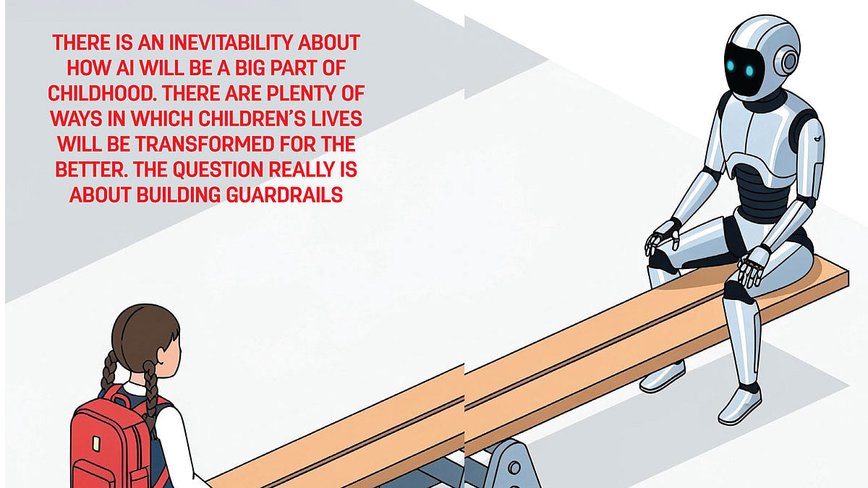
As AI continues to evolve, balancing its benefits and risks will be key to creating a safe, inclusive environment for children's growth and learning.
Categories:

Author: Cole