Our Latest News


Australia'S Bold Move: Social Media Ban For Under-16S Explained
Australia's Social Media Ban: A Game-Changer
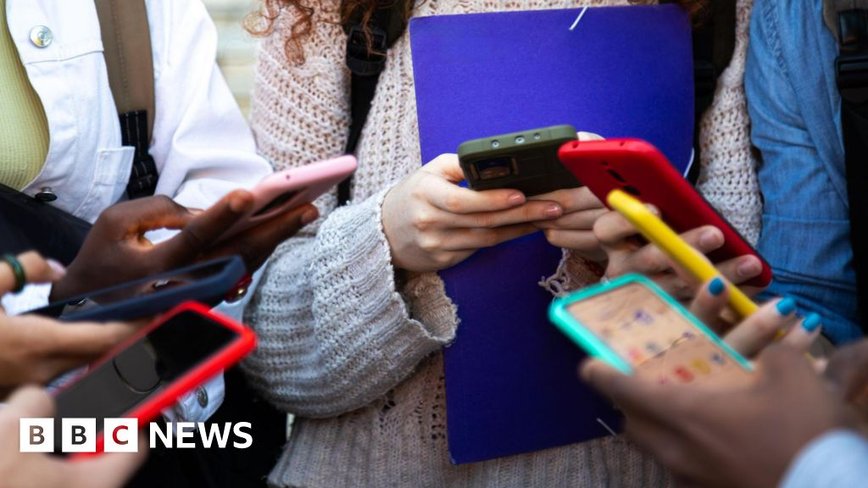
Australia has set an international precedent by banning social media for those under the age of 16. This sweeping decision affects major platforms like TikTok, X, Facebook, Instagram, YouTube, Snapchat, and Threads, disabling existing profiles and preventing new ones from being created. The move, the first of its kind, is being closely watched by governments worldwide as they weigh similar measures.
Why the Ban?
The Australian government aims to mitigate the adverse effects of social media's addictive design and the harmful content often encountered by young users. A 2025 study revealed that a staggering 96% of kids aged 10-15 were social media users, with 70% exposed to damaging content including misogyny, violence, and the promotion of eating disorders and suicide. Alarming statistics also showed one in seven kids faced grooming behaviors and over half experienced cyberbullying.
"We believe this ban is a crucial step in protecting our children from the dangers lurking online," an Australian government spokesperson explained.
Platforms and Enforcement
Among the ten platforms under the ban are Facebook, Instagram, TikTok, and Reddit. Others like YouTube Kids and Google Classroom are exempt as they don't meet the interactive criteria. Notably, under-16s can still access content on platforms that don't require accounts. However, there's criticism that popular gaming sites like Roblox and Discord are not included, though Roblox has promised to add age checks.
Instead of penalizing children or parents, the legislation targets social media companies with hefty fines up to A$49.5 million for non-compliance. Companies must adopt age verification measures, avoiding reliance on self-reported information or parental consent. Meta, for instance, began shutting teen accounts last December and offers government ID and video selfies for age verification.
Criticism and Concerns
The ban hasn't been without its detractors. Critics argue the age verification technology could wrongly flag adults and fail to catch younger users. Questions also arise about the effectiveness of the fines, given the vast revenues of these tech giants. Additionally, the exclusion of dating sites and certain gaming platforms has fueled skepticism about the ban's comprehensiveness.
Data privacy is another hot topic, with concerns over the extensive data collection required for age verification. Australia has a history of data breaches, which makes this aspect particularly sensitive. The government assures "strong protections" are in place, limiting data use to age verification and mandating destruction afterward.
Industry Reaction and Adaptations
The initial shock among tech firms when the ban was announced in November 2024 has evolved into cautious compliance. Some, like Snap and TikTok, opposed the ban but agreed to follow the regulations. YouTube and others expressed fears the ban might drive underage users to less safe areas of the internet.
In response to the ban, Meta highlighted the inconsistencies in protection across different apps, while Australian app Kick announced plans to align with the new law through "constructive engagement" with authorities. Meanwhile, Reddit voiced concern that the law could undermine free expression and privacy rights.
Public Response and Adaptations
As the ban took effect on December 10, Australian teens sought alternatives, leading to a spike in downloads for lesser-known apps like Lemon8 and VPN services, though these trends have since leveled off. Teens report mixed feelings about the ban, with some feeling liberated and others bypassing restrictions via fake profiles.
The global debate on safeguarding youth online continues, with Australia's bold move setting a significant precedent.
Categories:

Author: Cole