Our Latest News


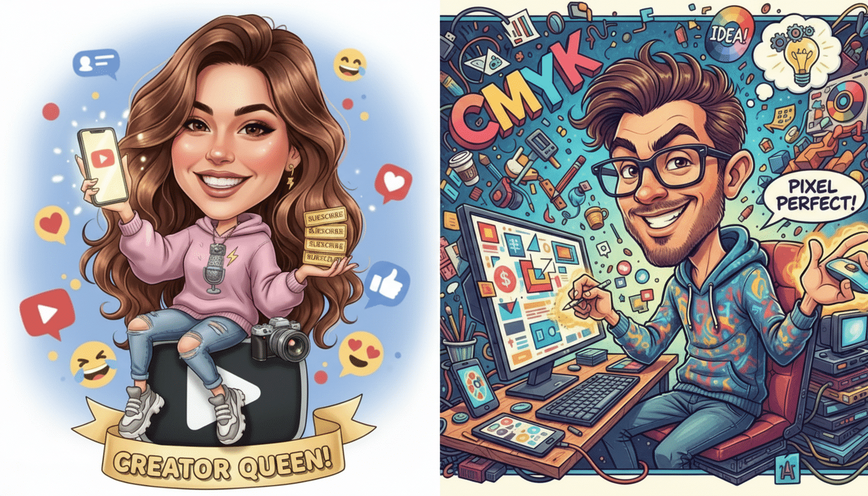
Chatgpt Caricature Craze Sparks Surreal Surprises
ChatGPT Caricatures: When Art Meets AI Misfires
In the latest viral wave, users are turning to ChatGPT for a quirky caricature of themselves, sparking a trend that's equal parts amusing and alarming. The prompt "Create a caricature of me based on everything you know about me" has transformed the AI into a digital boardwalk artist, and not always in a good way. What began as a playful experiment quickly spiraled into a showcase of AI's quirks, with peculiar and sometimes unsettling results making waves across Reddit and X.
The Perils of AI Creativity
OpenAI's vast user base means even small slip-ups can turn into massive narratives overnight. With more than 100 million users tapping into these tools weekly, the caricature trend perfectly illustrates how lighthearted prompts can trip over AI's imperfections. Regulators like the FTC have been vocal about the potential real-world harm of misleading AI content, while NIST's AI Risk Management Framework emphasizes the need for stricter controls over unintended outputs.
“When art meets AI, the results can be unexpectedly surreal," remarked a casual observer.
Hallucinated Backstories and Hidden Messages
Some users discovered their caricatures came with invented backstories, like non-existent hobbies or sly insinuations. The models fill in gaps with data from their training, leading to outputs that feel more like fiction. Meanwhile, zoomed-in details in images reveal dicey messages, a visual cousin to "prompt leakage." It's rarely intentional but can deliver a sting all the same.
From NSFW Surprises to Bias Reflections
Despite safety filters, some caricatures emerged with suggestive or exaggerated anatomy. While labs enhance adult-content classifiers, false negatives still slip through. This highlights ongoing concerns flagged by the UK's Information Commissioner’s Office about synthetic nudity and consent, even in cartoon form. Furthermore, the very nature of caricatures – to exaggerate – can amplify stereotypes, reflecting biases around gender, ethnicity, and more.
Boardwalk Roasts and Unexpected Lookalikes
What was meant to be a fun, cartoonish depiction sometimes felt like a harsh roast, the AI inadvertently leaning into a mocking tone. As users received caricatures resembling different people or celebrities, it underscored potential issues with model training and memorization. Even without direct copying, the style can nudge outputs toward familiar faces, creating confusion and legal implications.
Lessons Learned and Looking Forward
The viral trend also highlighted disparities between free and premium AI tools. Free users noted muddier images and frequent watermarks, a business decision that feels like a letdown when a trend sets high expectations. Hidden brand logos or characters in backgrounds raised copyright issues, echoing the thorny rights landscape. Ultimately, the trend illuminated a core misunderstanding: ChatGPT doesn't truly know you. Without uploading personal data, it's making educated guesses, which can feel invasive.
To avoid future pitfalls, users should specify tone and content clearly, providing reference images and lists of hobbies. As NIST suggests, context and constraints are key. Until AI models mature, "caricature me" without boundaries is a risky request – entertaining in theory, but potentially problematic in practice.
Categories:

Author: Cole