
Our Latest News


Digital Id Checks On The Rise: How New Age Verification Laws Impact Adults And Minors
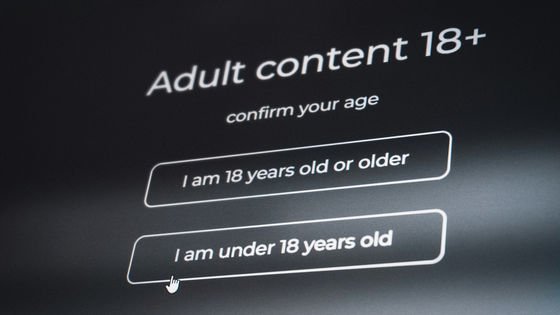
Age Checks: Safety Measure or Adult Monitoring?
With the rise of digital age verification tools, a new debate has emerged: while these measures aim to keep children safe online, they are also inadvertently affecting adults. As platforms comply with new laws, user privacy has become a hot topic.
In the United States, there's a growing push for legislation that requires online platforms to verify user ages to protect minors. This move, however, means millions of adults must now verify their age to access online content. Nearly half the US states are either drafting or have already enacted laws enforcing these checks, impacting everything from adult content sites to social media apps.
Discord Delays and Industry Response
The evolving landscape of age verification has led to significant changes in how platforms operate. In February 2026, Discord announced an update to enhance safety for users aged 13 and older. Initially, this involved facial recognition, causing backlash due to privacy concerns. Discord has since postponed the feature's rollout until later in 2026 to address these issues.
“Our business objective is to absolutely and safely keep out minors and allow adults in with as little friction as possible,” stated Rivka Gewirtz Little of Socure, reflecting the industry's delicate balance between compliance and user experience.
Joe Kaufman from Jumio, a major player in digital identity verification, emphasized the complexity of complying with these broad laws, while maintaining user trust.
The Broader Implications
Websites that offer adult content, gambling, or financial services often employ rigorous ID checks. These checks are carried out by specialized vendors who use AI to swiftly verify ages, while lighter checks are used by social media platforms. Molly Buckley of the Electronic Frontier Foundation warns that these systems could fundamentally change the link between identity and online behavior.
Socure, a notable verification service, claims it avoids selling user data and tries to minimize data storage. However, it may keep some records for up to three years to comply with legal standards.
The debate continues as to whether these systems are a necessary step for online safety or an overreach into personal privacy. As platforms navigate these regulations, the conversation around digital identity and privacy remains fluid and essential.
Categories:

Author: Nico