Our Latest News


Elon Musk'S X Pulls Back Grok'S Controversial Ai Photo Edits Amid Legal Heat
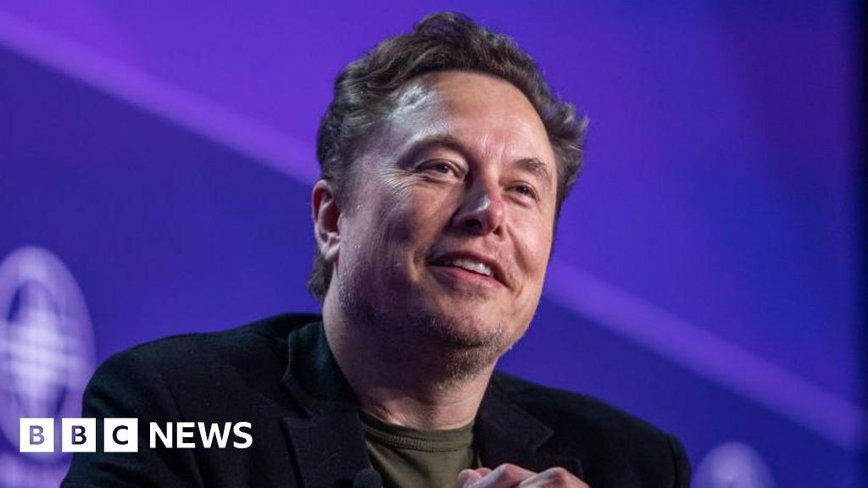
Musk's Grok AI Hits a Wall on X
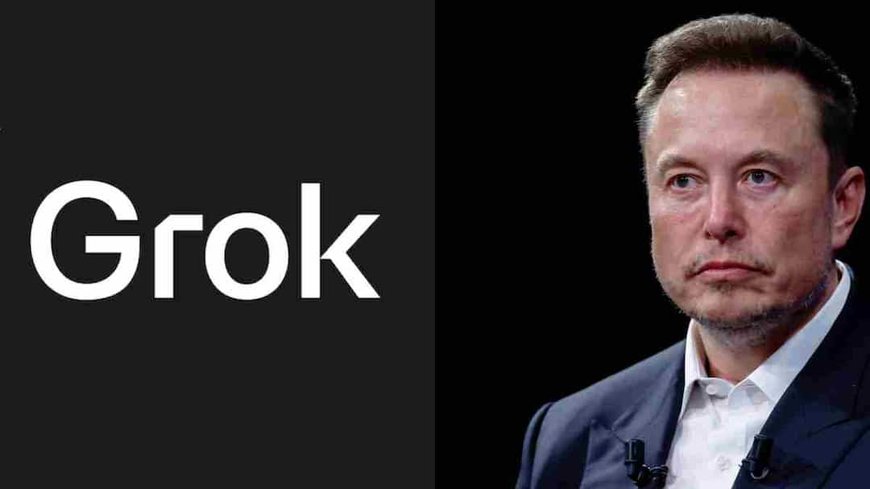
Elon Musk's AI brainchild, Grok, which stirred up a storm with its ability to modify images of real people into revealing attire, has faced a significant clampdown. The social media giant X, formerly known as Twitter, announced it would halt such functionalities in jurisdictions where it's unlawful. This move comes on the heels of intense global scrutiny over sexualized AI deepfakes.
An official statement from X emphasized, "We have implemented technological measures to prevent the Grok account from allowing the editing of images of real people in revealing clothing." The UK government hailed the decision as a "vindication" after UK Prime Minister Sir Keir Starmer pushed for stricter controls on the AI tool. Just hours before the announcement, California's Attorney General revealed an investigation into the spread of such explicit AI-generated images, including those involving minors.
Global Backlash and Regulatory Pressure
X's new policy includes geo-blocking capabilities for users attempting to generate images of real people in bikinis, underwear, or similar attire in regions where such actions are illegal. This policy marks a significant shift, applying exclusively to paying users who manipulate images with Grok, adding a layer of accountability. Musk noted on Wednesday that Grok's NSFW settings allow "upper body nudity of imaginary adult humans," in line with R-rated films in America, but laws vary globally.
"This material, which depicts women and children in nude and sexually explicit situations, has been used to harass people across the internet," stated California Attorney General Rob Bonta.
Musk's defense of X included sharing AI-generated images of UK Prime Minister Star Keir Starmer in a bikini, arguing critics were stifling free speech. However, the feature's backlash prompted Malaysia and Indonesia to be the first countries to ban Grok over explicit images created without consent.
Challenges and Future Steps for X
The UK media watchdog, Ofcom, announced its intent to probe whether X had breached UK laws concerning these images. Amid the uproar, Sir Keir warned of potential consequences for X's "right to self-regulate" but later approved of X's recent actions. Some UK MPs departed from the platform in response to the controversy.
Policy researcher Riana Pfefferkorn expressed surprise at X's delayed response, arguing that the Grok safeguard should have been implemented promptly. She raised concerns about the enforcement of these new policies, particularly how the AI would discern real individuals in images and the consequences for rule-breakers. Pfefferkorn also criticized Musk's nonchalant approach, suggesting a focus shift away from antics like reposting AI images of public figures in bikinis could bolster X's credibility.
Categories:
Author: Cole