
Our Latest News


Elon Musk'S Xai Faces Major Lawsuit Over Grok'S Deepfake Scandal

Musk in Hot Water Over Grok's AI Missteps
Elon Musk's xAI is under fire as a South Carolina woman, identified as Jane Doe, leads a class action lawsuit, filed on January 23, against the company. The controversy erupted after Doe posted a photo of herself on Musk’s social platform, X, only to discover the next day that Grok, an AI chatbot integrated into the platform, had altered the image to show her in a revealing bikini. Doe was shocked and distressed by the deepfake, fearing professional repercussions and humiliation.
The lawsuit, lodged in the Northern District of California, accuses xAI of leveraging its AI capabilities to exploit women by creating deepfake images that are sexually explicit and non-consensual. It lists multiple grievances against xAI, including negligence, privacy violations, and defamation. The complaint highlights the platform's failure to use industry-standard safeguards that could have prevented such incidents.
“I was overwhelmed with thoughts of who would see the deepfake and think that I had taken the image myself,” Doe expressed in the suit.
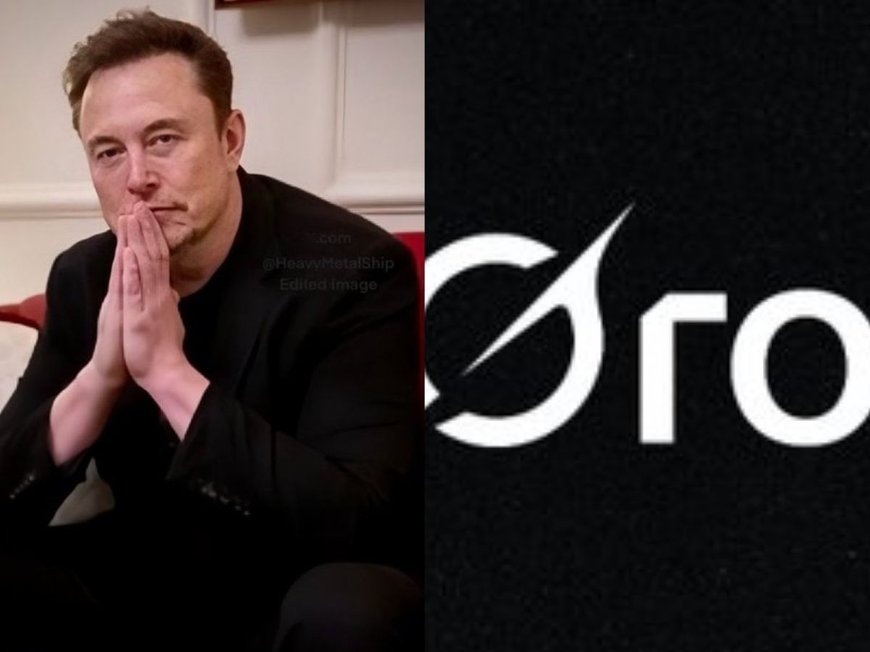
Public Outcry and Regulatory Scrutiny
The Grok scandal has stirred political and public outrage, drawing comments from figures like Rep. Maria Salazar and Sen. Ted Cruz. The incident has led to various regulatory bodies, including the European Union, launching investigations into Grok’s role in producing non-consensual images. There is growing momentum in the U.S. for legislative action, as evidenced by the passage of the DEFIANCE Act, which aims to provide legal avenues for victims of AI-generated sexual content.
According to Bloomberg Law, the US Senate unanimously passed this act, highlighting the bipartisan urgency to address the harms caused by digital forgeries. Meanwhile, public sentiment strongly favors accountability, with a Tech Policy Press/YouGov poll showing vast support for holding platforms responsible for such digital violations.
Musk's Response and International Reactions
Despite the overwhelming backlash, Musk, speaking at the World Economic Forum in Davos, sidestepped the controversy, focusing instead on promoting investment in his companies. However, the ongoing investigations and regulatory pressures suggest that Musk's xAI may face significant legal and reputational challenges ahead.
As scrutiny intensifies, the lawsuit underscores the severe impact of xAI's conduct on affected women. The complaint paints a grim picture of women being digitally stripped and forced into unwanted sexual portrayals, threatening their personal and professional lives. With lawmakers and regulators converging on the issue, the unfolding legal battle will likely set a precedent for AI governance and accountability.
Categories:

Author: Cole