
Our Latest News


Exotic Dancers Sound Alarm On Potential Military Deployment
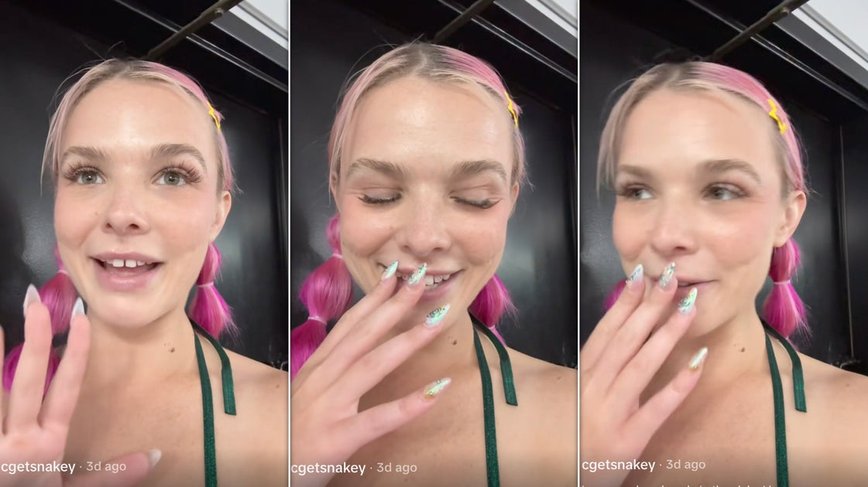
Sex Workers Sense Change
When it comes to sensing major shifts in the economy or military actions, sex workers have a unique perspective that often goes unnoticed. Their keen observations can sometimes offer insights that even the most diligent news analysts might miss.
As tensions between the Trump administration and Iran escalate, these workers have begun noticing an unusual uptick in military chatter among their clientele. Erotic dancers, who are often more in touch with military movements than the average civilian, are paying close attention to these changes.
A Viral Video Sparks Attention
It all kicked off with a TikTok video by San Diego-based dancer Charm Daze. Her post, which quickly went viral, talks about the increase of young clients discussing upcoming deployments. In her nearly ten years in the business, Charm notes she's never seen anything like this before.
“In my nearly a decade in the clubs I have never experienced anything like this tbh,” Charm shared, expressing surprise at both the discussions and the youthful faces of her military clients.
The video, shared over 16,000 times, has sparked conversations across social media and grabbed headlines from various news outlets. While The New York Post criticized the troops for "blabbing," other reports worry about potential operational security issues.
Understanding the "Stripper Index"
Charm's video raises questions beyond imminent military action. It highlights the youth of today's troops and the emotional connections formed between dancers and their patrons. Her story is a vivid example of what some call the "stripper index" – an informal term for the insights gleaned from the adult entertainment industry's observations, often indicating larger economic or social trends.
Fellow dancers like Emma and Sol Cirocco have echoed Charm's concerns, noting an increase in military clients and a noticeable shift in behavior and spending habits in their venues. They speak of a palpable urgency among their clients, possibly foreshadowing larger movements on the global stage.
The Emotional Labor Behind the Scenes
Beyond the glitzy facade, the emotional labor of dancers involves creating safe spaces for clients to unburden themselves. As Charm and others share their stories, they highlight the therapy-like support they provide to patrons, many of whom face emotional struggles.
Emma, a seasoned performer, emphasizes the emotional toll of her work, describing intimate moments where she comforts clients dealing with grief and loneliness. These interactions often stay within the walls of the club, yet they speak volumes about the unspoken realities these workers navigate.
Categories:

Author: Nico