
Our Latest News

Florida'S New Age Id Law Puts Tech Platforms On The Clock
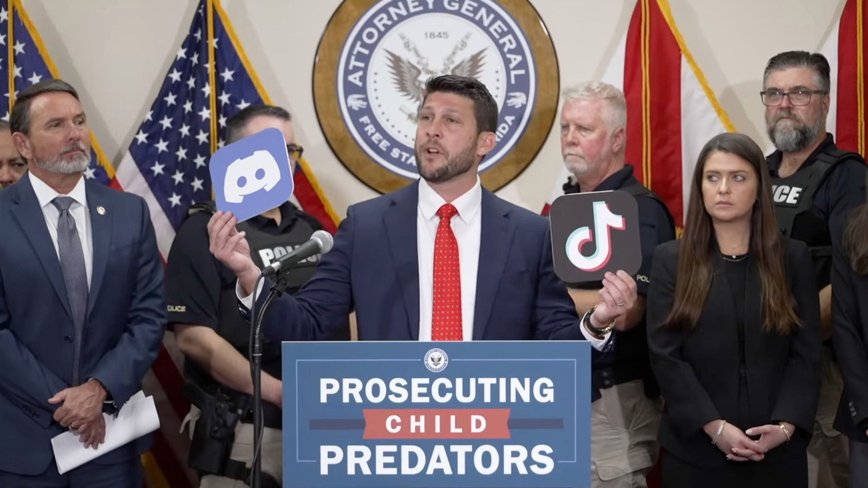
Florida's Digital Age Verification Deadline
Florida’s Attorney General, James Uthmeier, has put tech companies on notice with a strict deadline: implement age verification systems by April 8, or brace for lawsuits. This mandate arrives amidst contentious debates over whether the state can legally require users to verify their identities before accessing social media sites.
The driving force behind this push is Florida's new legislation, HB 3, which outright bans children under 14 from using social media and requires parental consent for those aged 14 and 15. The law further mandates adult content platforms to confirm that their users are at least 18 years old.
A Tough Stand on Age Restrictions
Uthmeier gave tech companies 30 days to roll out age restrictions and an additional 60 days to establish parental consent processes. "It is the law of the land," he declared at a March 9 event in Orlando, signaling that non-compliance will lead to immediate litigation.
“The government cannot set the rules of the road when it comes to accessing protected speech. That is a job best left to parents who can make individualized decisions to suit the needs of their family,” stated Paul Taske of the NetChoice Litigation Center.
The law, however, doesn't outline specific methods for "reasonable" verification, nor does it specify how long platforms can store identity documents or what they can do with the collected data.
Privacy Concerns and Legal Challenges
Platforms like TikTok and Discord are already in the spotlight, with Discord facing backlash after a significant leak of government IDs. Despite these concerns, Uthmeier remains unfazed. NetChoice has criticized the law, pointing out that it compels users to hand over sensitive information, increasing the risk of security breaches.
The legal battle, known as Computer & Communications Industry Association v. Moody, began when Governor DeSantis signed HB 3 in 2024. Although a district judge initially blocked the law, stating it was "likely unconstitutional," two judges later reversed this decision, siding with Florida's legal stance.
Broader Implications for Free Speech and Privacy
CCIA president Matt Schruers argues that the law infringes on First Amendment rights, not only by restricting minors but by potentially misidentifying adults who then face identity checks to access content they are legally entitled to view.
Florida's narrative frames HB 3 as a safeguard against the manipulative designs of Big Tech platforms. However, critics note that the law sidesteps direct regulation of addictive features like infinite scrolling, instead opting for a verification system that permanently ties users' identities to their online presence.
As the state builds its digital ID infrastructure, critics argue that while it’s marketed as protecting children, the long-term consequences on privacy and free speech could be profound and lasting.
Categories:

Author: Cole

Cole
Trending topics
Popular