
Our Latest News


Former Amish To Onlyfans: Brittany'S Taxing Discovery
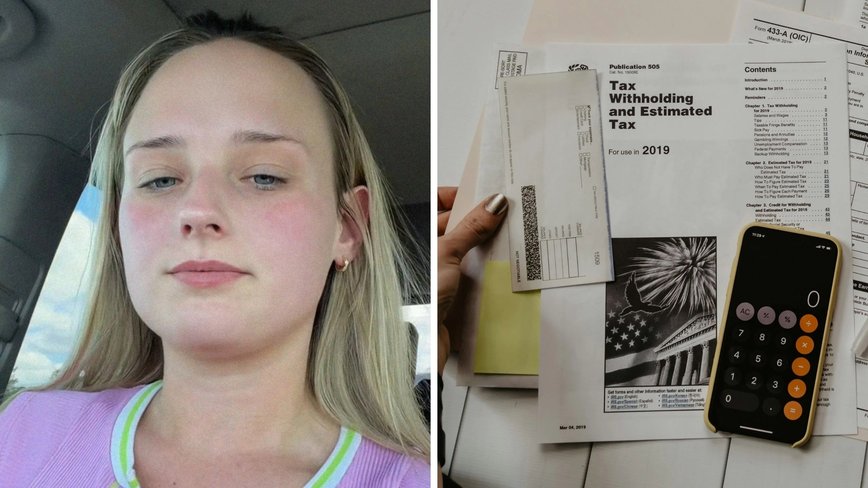
From Amish to OnlyFans – Brittany's Big Leap
Brittany, a TikTok content creator known as @brittanymomma1, made a bold move leaving her Amish roots to join the adult entertainment industry, specifically on OnlyFans. However, her journey hasn't been without complications. Despite the newfound freedom and financial potential, Brittany discovered a daunting reality – taxes. She shared her unexpected tax troubles in a viral video, revealing confusion about how to reconcile her income with the IRS.
“When I left the Amish and joined the industry, I did not know you had to pay taxes on '0 f' because everybody was telling me it’s not a real job,” Brittany explained.
Her candid confession struck a chord, amassing over 607,000 views as she described feeling stuck, with accountants hesitant to help her due to her career. Brittany's story highlights the unique challenges faced by digital creators who must navigate self-employment taxes like any other small business owners.
Navigating the '0 F' Tax Maze
Brittany’s confusion is not uncommon for those unfamiliar with tax obligations. In this digital age, platforms like OnlyFans require creators to handle their taxes independently, given their status as self-employed small business owners. This includes filing returns, paying self-employment taxes, and making quarterly payments. Brittany's lack of knowledge about these requirements, partly due to her Amish upbringing, resulted in a hefty amount owed to the IRS.
Typically, OnlyFans provides creators earning over $600 with a 1099-NEC form by January 31st. This document is essential for filing taxes, alongside other forms like Schedule C and Schedule SE. The complexity of managing these forms can be overwhelming, particularly for those new to the system.
Accountants: Friends or Foes?
In her video, Brittany mentioned facing rejection from several accountants because of her profession. Despite her struggles, commenters encouraged her to keep searching for a tax advisor willing to assist. Brittany’s experience sheds light on the biases some professionals harbor against certain industries, though it's worth noting not all accountants share this sentiment.
Supporters urged Brittany to persevere, emphasizing the importance of finding reliable tax assistance and understanding the universal rule: if you earn money, you are required to pay taxes on it, regardless of the source. We reached out to Brittany for more insights, and we'll update with any further developments.
Categories:

Author: Nico