
Our Latest News


Influencer Drama: White Creator Faces Backlash For Altering Photo Of Black Influencer
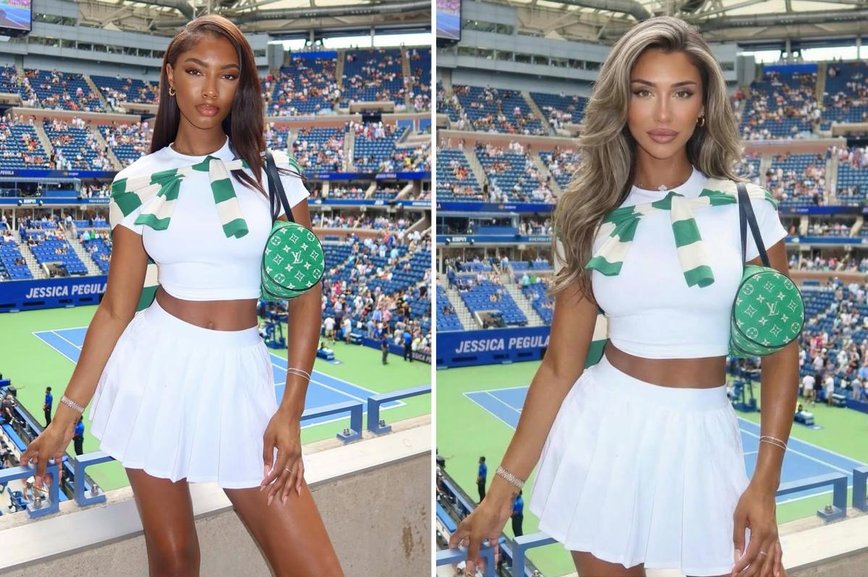
Photo Alteration Scandal Shakes Influencer World
In a surprising twist of events, a white influencer is in hot water after allegedly editing her face onto the body of a black creator. The scandal erupted when Tatiana Elizabeth, an African-American influencer, took to TikTok to reveal this apparent act of digital mimicry. Elizabeth, who boasts over 350,000 followers, detailed her discovery of the doctored image shared by fellow content creator Lauren Blake Boultier, who commands a following of 1.6 million fans.
The controversy centers around a September 2024 photo from the US Open, where Elizabeth posed courtside in a stylish white tennis ensemble. Elizabeth shared this image with her followers, but soon found a nearly identical version on Instagram, except with Boultier’s face swapped in. "This photo to the right is a photo of me at the US Open in 2024," Elizabeth explained on TikTok, pointing out the uncanny similarities.
AI Technology Meets Social Media Drama
“By no means am I trying to bash this girl. Mental health is real, and I’m not a bully,” said Elizabeth. “I just want to know the reason. Has social media gotten into our heads so much that we are disregarding couth?”
As Elizabeth noted, even the tattoo on her right wrist was visible in both images, raising questions about the extent of Boultier’s editing. Boultier, meanwhile, had geotagged the photo as taken in Miami, despite the obvious backdrop of Queens’ Arthur Ashe Stadium. With no word from Boultier, Elizabeth’s followers have swarmed to support her, expressing their disbelief and curiosity over the incident.
Deepfake Culture and Its Implications
While Boultier has since removed the controversial photo, the incident spotlights a larger trend involving AI-generated models. On platforms such as Instagram and TikTok, these virtual influencers increasingly utilize face-swapping technology, leading to a blurred line between real and digitally manipulated content. This tech-savvy approach is even used within the OnlyFans community, where models craft unique content for their paying subscribers.
Numerous online tutorials now aim to teach users how to replicate such digital feats, including swapping faces in videos. These "face-swap" apps have gained popularity, offering users the ability to create deepfakes from the convenience of their smartphones. Despite the backlash, the allure of AI-driven content creation continues to grow, as evidenced by millions of views on tutorial videos explaining these technologies.
Categories:

Author: Cole