
Our Latest News


Influencers And Onlyfans Stars Shake Up O-1 Visa Requests
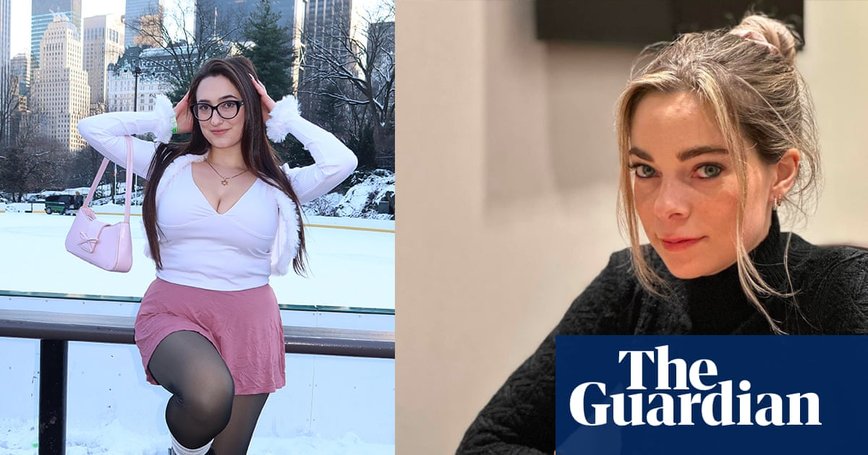
The Rise of Influencer-Driven O-1 Visa Applications
In a digital age twist, influencers and OnlyFans stars are increasingly becoming the face of O-1 work visa requests in the United States. The Financial Times reports a 50% surge in the number of O-1 visas granted annually from 2014 to 2024. These visas are crucial for non-immigrants aiming for temporary work in the U.S., covering fields like science, athletics, and notably, entertainment – the realm of the modern influencer.
The Influencer Journey to O-1 Visa Success
Julia Ain, a Canadian content creator, is a textbook example of this trend. What started as a pandemic boredom buster turned into a lucrative career, with Ain amassing 1.3 million followers across platforms. "I was bored during the pandemic – like everyone else – and started posting on TikTok," she shared. Her journey led her to secure an O-1B visa through her success on platforms including Fanfix, bringing in a five-figure monthly income.
“It became really obvious that you could make a lot of money doing this in a short period of time,” Ain stated, highlighting the rapid monetization potential.
Similarly, Luca Mornet from France navigated his path from student influencer to visa recipient. Stuck on an F-1 visa, he couldn't monetize his content until he transitioned to an O-1B visa. This transition paralleled the broader shift of these visas from traditional artists to digital creators.
Legal Perspectives and Criticisms
Michael Wildes, an immigration attorney, has been at the forefront of this shift, representing influencers alongside big names like Sinéad O'Connor and Pelé. "We started doing [O-1 visa applications] for kids who are e-sport players and influencers and the OnlyFans crew," Wildes remarks, underscoring the evolving landscape.
The criteria for these visas are expanding, with the 2026 update set to include social media metrics as a measure of "extraordinary ability." Influencers like Dina Belenkaya have successfully leveraged their online followings to secure visas, demonstrating the weight of digital influence in modern immigration processes.
The Future of Influencer Visas
While some, like Dominic Michael Tripi, critique the trend as a reflection of "end-stage empire conditions," professionals like Wildes see it as the next stage of American exceptionalism. Influencers are undeniably filling a commercial gap, driving both content and commerce.
As Ain points out, the influencer frontier might challenge traditional views of the "American dream," but its impact and economic significance are undeniable. "You might not agree with the way the money is being made... but people are still watching and paying for it," she asserts, emphasizing the legitimacy and influence of the digital economy.
Categories:

Author: Cole