
Our Latest News


Inside Nevada'S Controversial Brothels: Union Talks, Legal Loopholes, And Digital Transformation
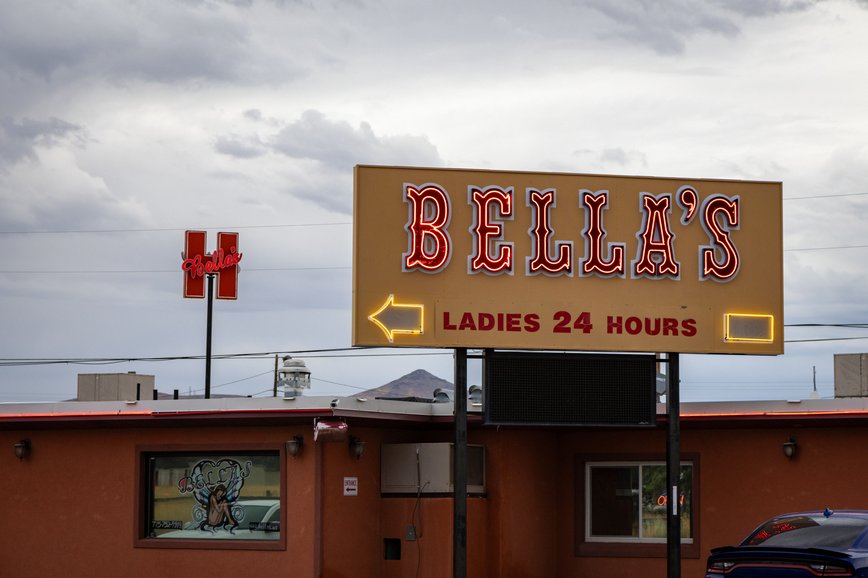
Nevada's Unique Take on Legalized Sex Work
Nevada stands alone in the U.S. as the only state where paying for sex is legal, yet it's not as simple as it sounds. This spotlight on the state's brothels – especially a unionization push at a Pahrump brothel – highlights a complex web of laws and opinions. While legal in some areas, sex work is strictly regulated and not permitted in populous counties like Clark. Six other counties have also chosen to ban it entirely.
The history dates back to Nevada's mining boom in the 19th century, with the first sanctioned brothel opening in 1971. Today, brothels are legal only in select counties, and the Nevada Brothel Association notes there are 16 legal establishments across seven counties. Despite this, sex workers and advocates remain divided on whether the model truly benefits those involved.
"The Ranch simply provides a safe, secure, and lawful environment in which they can conduct their business," said Will Paccione, COO of Chicken Ranch.
Contractors or Employees? The Debate on Worker Status
Under Nevada law, sex workers are considered independent contractors, similar to many in adult industries. This status has been challenged, with many workers arguing that the brothels' control over their work conditions aligns more with employee status. This debate is central to unionization efforts at Sheri’s Ranch, which began in late 2025.
While some workers, like Alice Little, prefer the autonomy of an independent contractor, others push for employee recognition to gain rights and protections. Past audits and lawsuits have tried to address these classifications, with mixed outcomes. The complex nature of contracts in this industry continues to fuel discussions on worker rights.
Adapting to the Digital Age: Brothels in the Pandemic Era
The COVID-19 pandemic forced brothels to pivot, embracing digital platforms like OnlyFans to reach wider audiences. Jupiter Jetson, a sex worker from Nye County, described the period post-reopening as a "boom time," accelerated by increased online engagement.
This digital shift has not only benefited individual sex workers but also the brothels, helping them navigate Nevada's restrictive advertising laws. While brothels like Sheri’s Ranch support content creation, the industry's future remains tied to legal and societal acceptance.
Economic and Social Impact: The Brothel Controversy
Brothels contribute significantly to Nevada's economy, generating around $75 million annually. Local governments benefit from fees and taxes, although these amounts vary by region. Despite this, debates persist about the ethical and social implications of legal sex work, with some arguing it fuels illegal activities.
Past efforts to ban sex work in Nevada have failed, but the conversation continues amid ongoing legal challenges and societal scrutiny. Advocates for both sides argue passionately about the industry's future and its role in modern society.
As Nevada's legal brothels continue to evolve, the balance between regulation, worker rights, and economic benefit remains a contentious but fascinating issue, reflective of broader societal changes and the digital transformation.
Categories:

Author: Cole

Cole
Trending topics
Popular