
Our Latest News


Kemi Badenoch Pushes Bold Social Media Ban For Under-16S
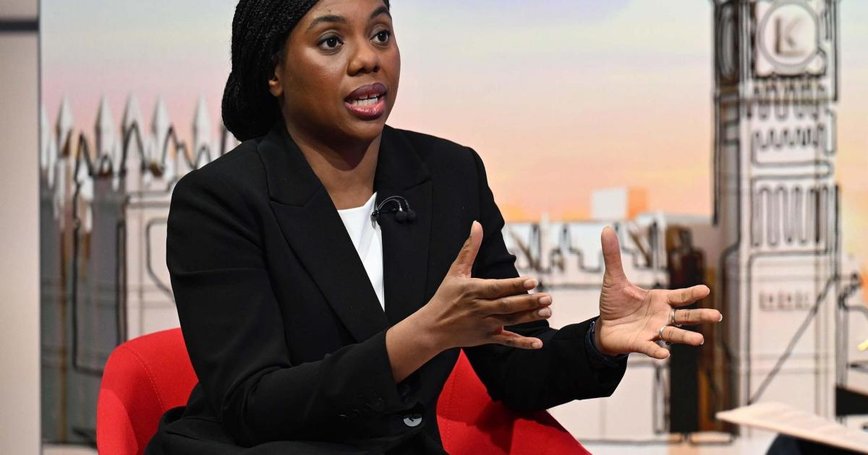
Kemi Badenoch's Bold Proposal
Kemi Badenoch, the Tory leader, is making headlines with a controversial proposal to ban under-16s from social media. Speaking on BBC’s "Sunday With Laura Kuenssberg," Badenoch argued that platforms like TikTok and Snapchat profit from children's anxiety and distractions, with designs that keep users glued to their screens. Her remarks come following the NASUWT teachers’ union urging the government to legislate against children's access to such platforms. The plan echoes Australia's recent move to enforce an under-16s social media ban, which took effect last December.
Building a Policy Wall
Badenoch is not just about restrictions; she's about solutions. "What we want to see is common sense – protection for children and freedom for adults," Badenoch shared, emphasizing the importance of parental understanding. She drew on her own experiences as a mother to highlight how age limits, while not foolproof, could significantly diminish the number of children on social media. The push is part of a broader strategy targeting youth mental health and encouraging employment, alongside initiatives like banning phones in schools.
“Even from my own usage of social media, I can see how it’s designed to keep you on there again and again and again,” Badenoch noted, underlining the addictive nature of these platforms.
Support and Skepticism
The proposal has sparked a mixed response. Andy Burnham, Labour's mayor of Greater Manchester, surprisingly backed Badenoch, suggesting a cross-party consensus could be beneficial for parents. Former education minister Lord Nash also hailed the move as a step towards prioritizing children’s welfare. Meanwhile, Matt Wrack of the NASUWT and Ofsted’s chief have both raised alarms about the harmful impact of social media on students’ behavior and attention spans, citing surveys where the vast majority of teachers reported a negative influence.
However, not everyone is on board. Anna Edmundson from the NSPCC warned that a blanket ban could undermine children's rights and potentially expose them to risks in unregulated online spaces. "We must not punish young people for the failure of tech companies to create safe online experiences," she argued, pushing for accountability from social media services instead.
The government, on its part, reassures that steps are being taken to protect children through the Online Safety Act, balancing harm prevention with allowing beneficial digital interactions.
Categories:

Author: Nico