
Our Latest News


Mark Zuckerberg Faces Crucial Questions In Social Media Lawsuit
The Stakes of Social Media Addiction
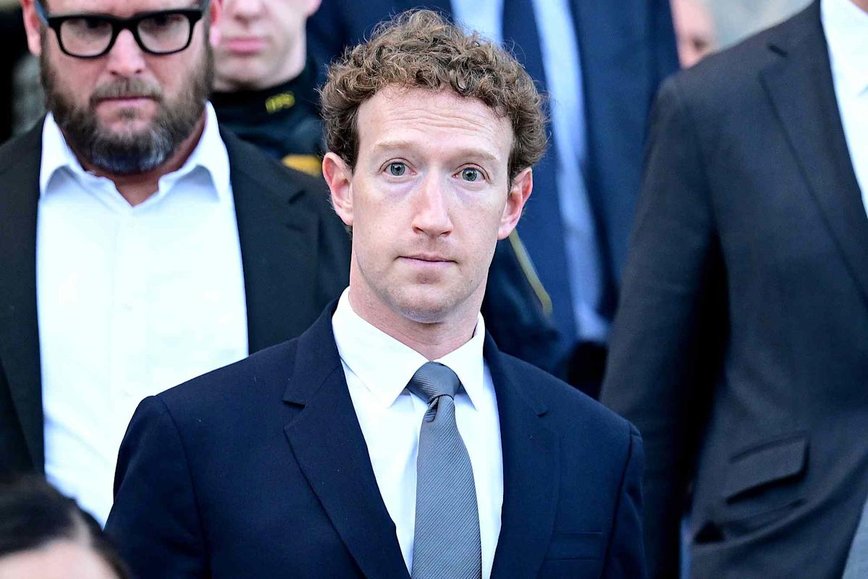
Mark Zuckerberg took the stand in a pivotal Los Angeles trial on February 18, where he faced tough questions about the addictive nature of Instagram. This landmark lawsuit accuses Meta of deliberately designing apps that foster addiction, potentially putting platforms on the hook for billions in damages.
Zuckerberg's Defense
The suit was sparked by "Kaley," a young woman who claims Instagram and YouTube triggered her mental health struggles. During testimony, Zuckerberg, 41, denied any malicious intent behind Instagram's algorithm, emphasizing a commitment to community-building over maximizing usage time. "If you do something that’s not good for people, they won’t use it over time," he stated, highlighting Meta's long-term focus.
“I think a reasonable company should try to help the people who use its services,” Zuckerberg remarked during the court proceedings.
Controversial Comparisons and Legal Implications
The trial's discourse echoes historical critiques of Big Tobacco, with plaintiffs alleging social media giants intentionally nurture harmful behaviors. Meta and YouTube, however, dismiss these allegations as lacking scientific backing. Meanwhile, they continue to be shielded by federal laws protecting them from user-generated content liabilities.
Ripple Effects in the Tech World
As this case unfolds, its potential outcomes could redefine operational protocols for major platforms like Meta and YouTube. Both companies remain steadfast in their defense, bolstered by historical protections. Yet, if successful, this lawsuit could pave the way for regulatory changes and immense financial repercussions.
Community and Platform Responsibility
The lawsuit also highlights deeper ethical queries about platform responsibility towards users, especially minors. Zuckerberg acknowledged implementation of age checks in 2019, citing privacy concerns prior. The case has drawn attention from affected families nationwide, underlining the emotional and societal impact of social media.
Categories:

Author: Imani