Our Latest News


Meta'S Ray-Ban Glasses Under Fire: Workers In Kenya Review Personal Videos
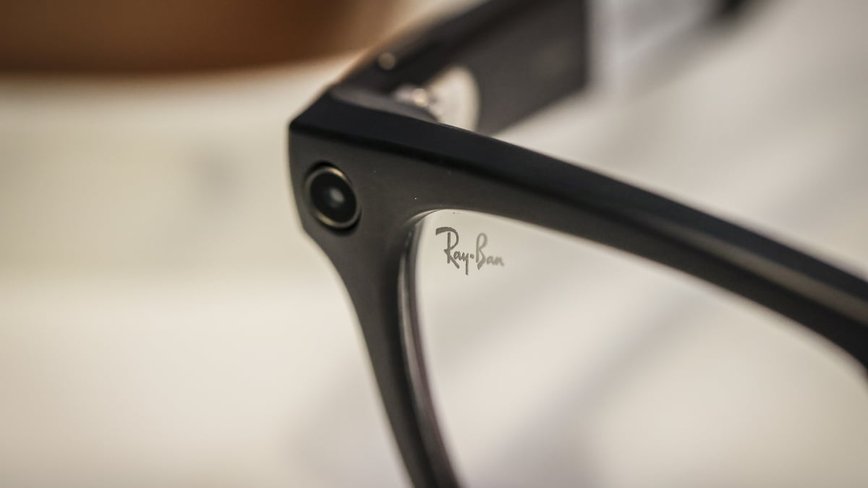
Meta's Ray-Ban Glasses Spark Privacy Debate
In a surprising revelation, an investigation by Swedish media outlets Svenska Dagbladet and Göteborgs-Posten uncovered that Meta's AI-powered Ray-Ban glasses are capturing more than just picturesque moments. Offshore Meta workers based in Kenya are tasked with reviewing intimate and often "disturbing" videos recorded by users, including footage captured in bathrooms and images containing nudity or sensitive personal information. This process, known as data labeling, is vital for training AI models, but it involves real people going through these private moments to annotate the footage for AI interpretation.
The workers, employed by Sama, a Meta contractor already embroiled in legal action over poor working conditions for content moderators, revealed that many users were unaware they were being recorded. As one employee put it, "You understand that it is someone’s private life you are looking at, but at the same time you are just expected to carry out the work. You are not supposed to question it." These comments highlight the ethical dilemmas faced by those involved in the process.
“You understand that it is someone’s private life you are looking at, but at the same time you are just expected to carry out the work.”
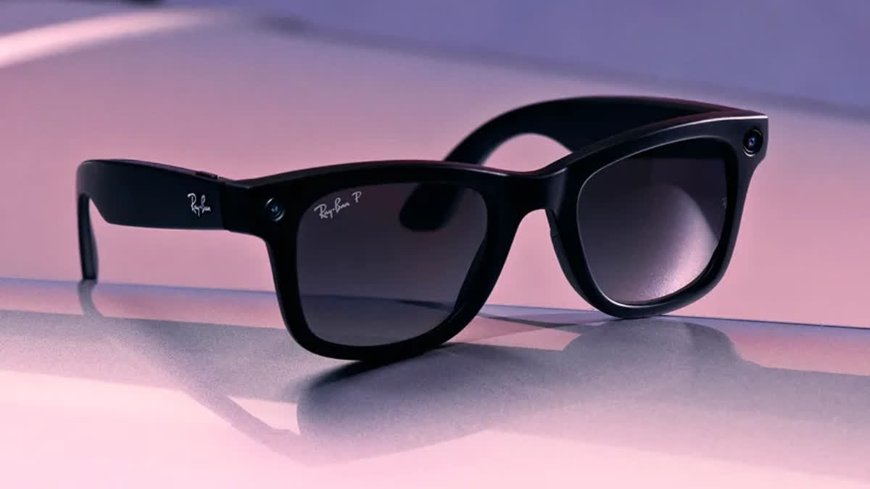
Meta's Response and the Ray-Ban Glasses Phenomenon
Meta's response to these concerns rests on their Terms of Service, which allows them to forward user interactions with AI services to human moderators. This policy was referenced when the company was questioned about the investigations. The initial launch of the Meta Ray-Ban glasses in 2023 received mixed feedback, with an upgraded model boasting a Neural Band interface and AI assistant integrations hitting the market in September 2025. Sales soared, yet the glasses have increasingly become tools for unauthorized surveillance and public pranks, raising red flags about personal consent and surveillance.
Critics argue that these devices enable a new layer of surveillance and facial recognition technology. Privacy advocates caution against the potential misuse of this technology by third parties or even government agencies. Meta has indicated that they plan to forge ahead with live AI features, including facial recognition capabilities, despite the backlash. This move could see the glasses continuously capturing and analyzing data from a wearer's daily life, further fueling privacy concerns.
The Future of Wearable Tech
The continued development and integration of AI in wearable tech like Meta's Ray-Ban glasses invite significant scrutiny and debate. While the technology offers futuristic features and convenience, the ethical implications remain a hot topic. As privacy advocates and users voice their concerns, Meta must navigate the delicate balance of innovation and user trust.
Categories:

Author: Cole

Cole
Trending topics
Popular