
Our Latest News


Ohio School District'S Controversial Book Policy Sparks Debate
Ohio's New Book Policy Sparks Outrage
In Ohio, Bellbrook-Sugarcreek School District (BSSD) is under fire for a newly enforced policy that significantly impacts students' access to certain books. Known as Policy #5780, it restricts what’s termed "sexuality content" and "gender ideology" for students from kindergarten through eighth grade, and requires parental permission for high school students to access similar content. Initiated last spring, the policy goes well beyond Ohio's House Bill 8, known as the “Parents’ Bill of Rights.”
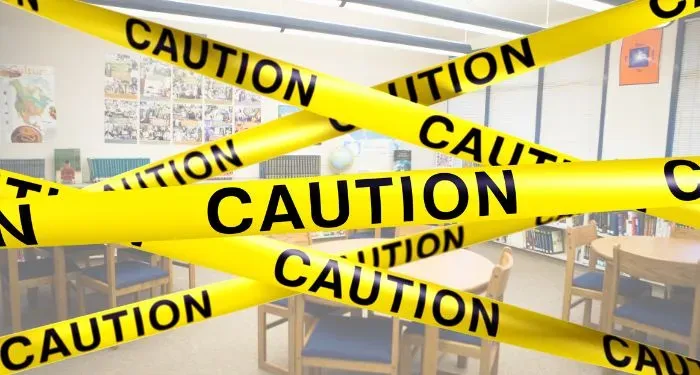
This policy came into full effect with the start of the school year in August, leading to a shutdown of the high school library. The sole librarian was tasked with reviewing all books to ensure compliance with the new rules. Books labeled under these controversial terms cannot be borrowed unless parents give explicit permission. This has stirred significant concern among advocates who argue that censorship is at play, especially with LGBTQ+ themed literature.
Books in the Crosshairs
The BSSD's policy has stirred controversy by labeling popular young adult novels and classics as restricted. Books like Ellen Hopkins' series and Toni Morrison’s 'The Bluest Eye' are just a few examples of the nearly 100 titles affected. Interestingly, rather than discarding these books, they're being moved to the high school library, a move some see as a form of censorship since they're kept out of reach of younger students who might benefit from them.
“It’s clear that this policy is not about protecting students, but rather about promoting a particular agenda,” stated an advocate from Right to Read Ohio.
Teachers, too, are affected. Those in the English department are now required to seek parental approval for classroom reading materials, leading many to avoid offering certain books altogether. This puts undue pressure on educators to navigate the ambiguous landscape of what constitutes “appropriate” content.
Community Pushback and Legislative Implications
Local advocacy groups, including Right to Read Ohio and Sugarcreek Cares, are rallying against the policy, urging community members to attend school board meetings or submit letters to voice their opposition. The next meeting is scheduled for December 11, offering a platform for public feedback.
This policy is part of a broader trend across Ohio, where similar legislative measures are impacting how libraries operate. Concerns have been raised about House Bill 583, which might further restrict access to online databases, leveraging vagueness to promote censorship. Advocates argue these moves jeopardize educational equity and access to diverse perspectives.
The ongoing debate in BSSD highlights the tension between parental rights and educational integrity. As the conflict unfolds, it underscores the importance of community involvement in shaping policies that affect students’ access to literature and information.
Categories:

Author: Nico