
Our Latest News


Olivia Ferro'S Decade-Long Journey To A Pcos Diagnosis
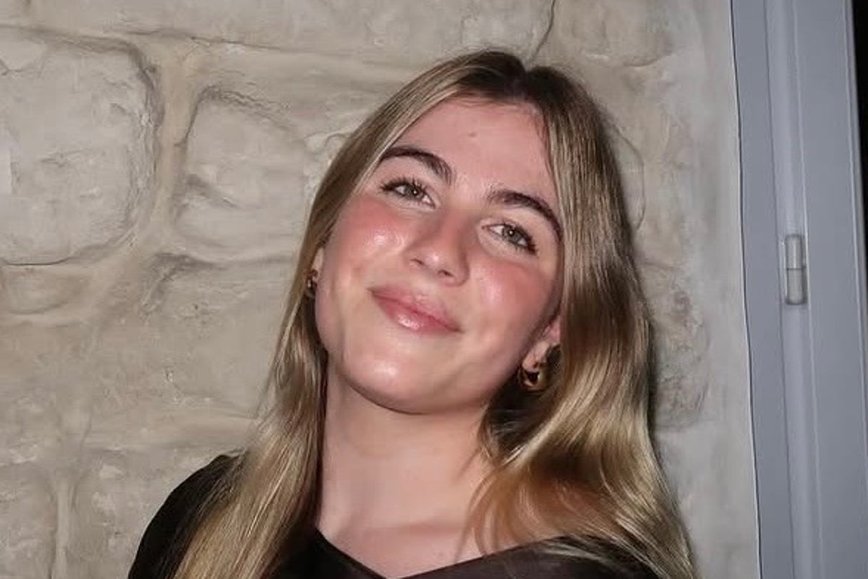
A Decade of Misdiagnosis
Olivia Ferro, now 26, spent most of her young adult life battling extreme menstrual issues that were too often dismissed by healthcare professionals. Starting at 14, Olivia experienced severe stomach pains coinciding with her periods, initially brushed off as mere 'hormonal changes.' The real turning point came when a burst ovarian cyst required her to undergo an emergency appendectomy.
Despite these alarming signs, Olivia's chronic pain continued, leading to a prescription for birth control at just 15, in a bid to manage her symptoms. But relief was fleeting, as she still endured irregular periods and discomfort. Only after relocating to London in 2024 did she receive the correct diagnosis of polycystic ovary syndrome (PCOS), shedding light on her decade-long struggle.
Launching SheMed – A New Mission
Once settled in London, Olivia, alongside her sister Chloe, took her experience and turned it into a mission to aid women facing similar health battles. They founded SheMed, a company that focuses on GLP-1 medication for women. Their innovative service includes at-home tests and personalized treatment reviews, designed to support women with conditions like PCOS.
“Sometimes you know your body better than anyone else, and if you know something isn’t right, you need to fight for it,” Olivia shared, emphasizing the importance of advocating for one's health.
Through her company, Olivia not only found a way to manage her symptoms but also created a platform to support others in their health journeys.
A Personal Turnaround
With her diagnosis in hand, Olivia began a GLP-1 treatment regimen in 2025, resulting in a significant personal transformation. She reported a weight loss of over two stone, a return to regular menstrual cycles, and a newfound sense of normalcy.
Furthermore, her testosterone levels stabilized, which improved her fertility outlook. Olivia’s journey underscores the critical need for proper diagnosis and support in women's health.
Dr. Sue Mann, NHS national clinical director for women’s health, reiterates the services available to women with PCOS, underlining the importance of a balanced diet and weight management in alleviating symptoms.
Categories:
Author: Nico
Nico
Trending topics
Popular