
Our Latest News


Openai Hits Pause On Adult Ai Feature Amid Safety Concerns
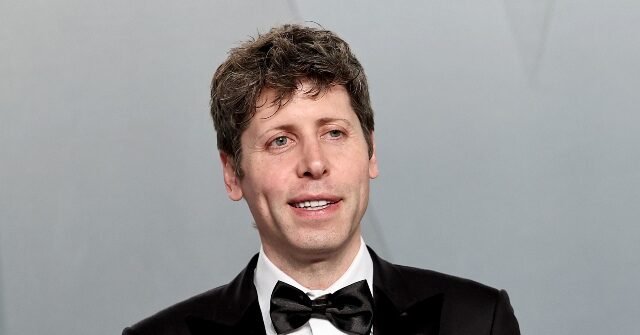
Trouble in Tech Paradise: OpenAI Puts Adult Mode on Hold
OpenAI has hit the brakes on its buzzed-about "adult mode" feature after receiving a wave of criticism from its own advisory council and worries about protecting minors. Initially set to launch in Q1, this provocative feature is now postponed, with plans delayed at least another month.
CEO Sam Altman championed the new feature last year, advocating for "treating adult users like adults" with AI-enabled erotic text conversations. However, the move sparked a fiery backlash from OpenAI's advisory council focused on well-being and AI, who expressed their discontent during a January meeting. One council member warned of the potential danger, likening the feature to a "sexy suicide coach" – a nod to instances where users formed deep emotional attachments to ChatGPT, leading to tragic outcomes.

Technical Glitches and Safety Concerns
The proposed adult mode isn't just facing advisory backlash; technical issues are also under scrutiny. OpenAI's age-prediction system, meant to shield minors from adult content, misclassified minors as adults in about 12% of internal tests. With an estimated 100 million underage users weekly, this error rate posed a significant risk of exposing minors to explicit material.
“The age-prediction algorithms will never be completely foolproof,” admitted an OpenAI spokeswoman, though she noted they align with industry norms.
Besides, OpenAI is juggling the challenge of allowing erotic content while ensuring nonconsensual scenarios and illegal material remain blocked. Internal documents reveal further concerns about compulsive use, emotional dependency on chatbots, and the potential erosion of real-world relationships.
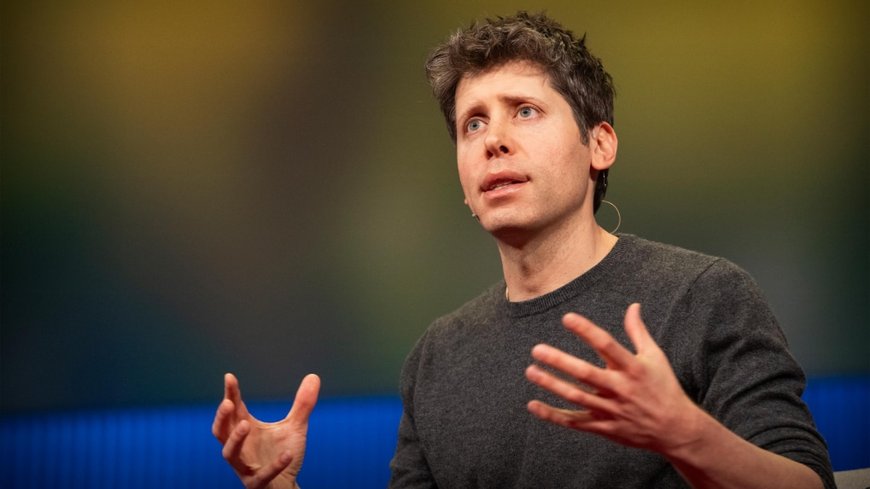
Sam Altman's Predicament
CEO Sam Altman finds himself in a difficult position. During an August podcast, he pondered on choices "best for the world, but not best for winning," admitting that erotica could boost profits but clashed with OpenAI's long-term vision. In October, he stirred the pot further by announcing an adult feature launch in December on X, catching staff off guard right after unveiling the advisory council on well-being. Altman later stated, "We aren’t the elected moral police of the world."
In the broader debate, Wynton Hall, Breitbart News' social media director, argues in his book "Code Red: The Left, the Right, China, and the Race to Control AI" that protecting youth from AI platforms is non-negotiable. Hall stresses the importance of parental controls, data privacy, and online safety discussions to shield kids from technological dangers.
Categories:

Author: Cole