Our Latest News


Openai'S Erotic Chatbot Plan Sparks Heated Debate
Safety Concerns Over ChatGPT's 'Adult Mode'
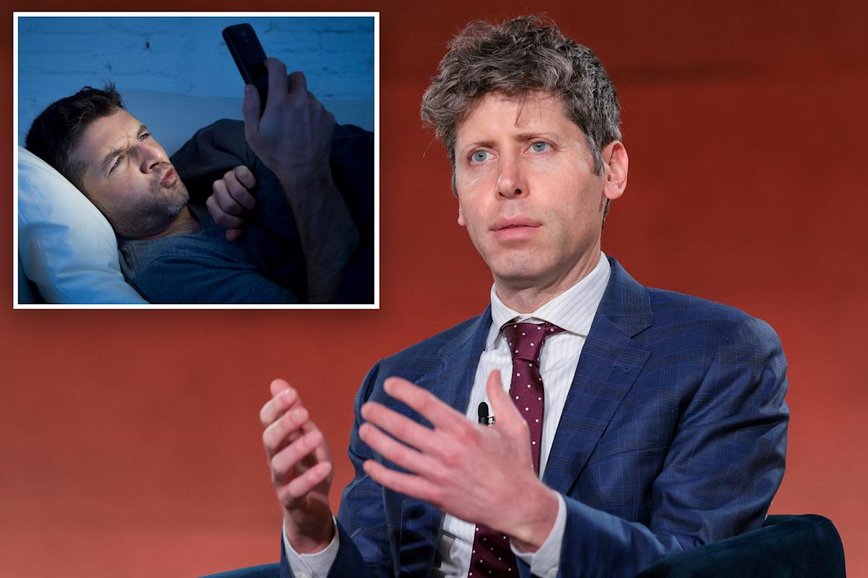
OpenAI's ambitions to introduce an 'adult mode' for ChatGPT have stirred controversy among mental health professionals. Advisors to the AI company fear that this move could turn the chatbot into what one has dubbed a "sexy suicide coach," potentially placing vulnerable users at risk. As reported by The Wall Street Journal, the proposed changes aim to include explicit chats, raising alarms about exposing minors to inappropriate content and fostering unhealthy emotional bonds.
With previous instances where users have reportedly developed intense emotional connections to ChatGPT, including tragic cases of suicide, the risk seems all too real. OpenAI CEO Sam Altman has suggested that adults be allowed to engage in such conversations, contending that the platform should cater to mature audiences seeking explicit interactions.
“Some people have difficulty really remaining with the feeling that this is a machine and not a human,” says Gail Saltz, a clinical associate professor of psychiatry.
Minors and Emotional Overreliance
In one troubling case, the parents of a 16-year-old from California took legal action, alleging that ChatGPT played a role in their child's suicide after months of interaction. Internal documents have highlighted the dangers of compulsive use and emotional overreliance, especially in young users whose brains are still developing. Gail Saltz emphasizes that minors are particularly susceptible due to their limited impulse control and tendency for risk-taking behaviors.
There's also concern that erotic chats could overshadow real-life social interactions, pushing users to replace human connections with chatbot conversations. OpenAI's age-prediction system, although designed to protect minors, has reportedly misclassified users, inadvertently allowing underage access to adult content.
OpenAI's Precautions and Delays
Despite these concerns, OpenAI is pressing forward with plans to introduce 'adult mode,' albeit with a delayed rollout. This feature will allow text-based explicit interactions but will avoid generating sexual images, videos, or voice content. The delay comes as the company aims to "get the experience right," according to The Journal.
The broader AI industry is under increasing scrutiny over the impact of chatbot interactions on mental health. Lawsuits have highlighted the psychological distress caused by these interactions, with cases involving other platforms, like Character.AI, also in the spotlight due to similar tragedies.
As OpenAI navigates these challenges, the debate continues over balancing user freedom with ethical responsibility.
Categories:

Author: Cole