
Our Latest News


Shan Prasher Takes Aim At Bollywood'S 'Fake' Pr Machine
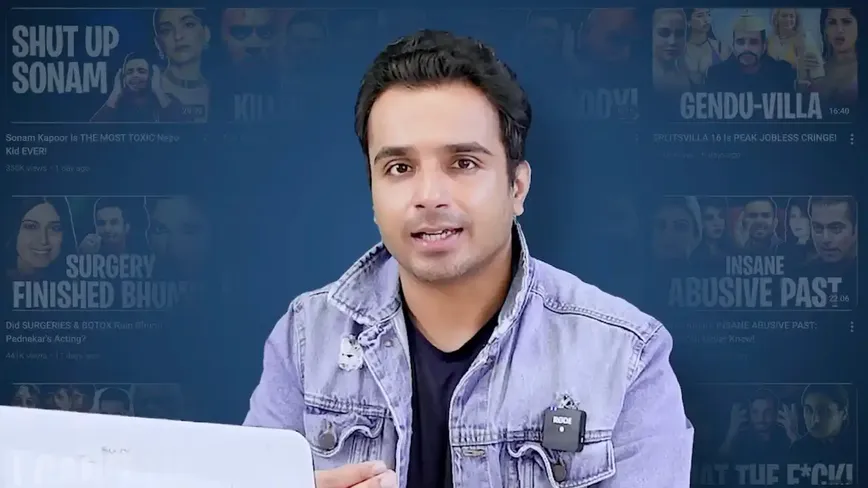
Shan Prasher Speaks Out Against Bollywood's PR Tactics
Shan Prasher, a well-known film critic and YouTube sensation, has stirred the pot with his bold claims about the inner workings of Bollywood's public relations machinery. In a candid chat on Dostcast with host Vinamre Kasanaa, Prasher argued that the industry has become a playground for PR professionals who can conjure word-of-mouth success seemingly overnight.
He contends that the traditional film journalist is now obsolete, replaced by orchestrated paparazzi appearances and transactional reviews. Prasher reminisces about the 80s and 90s when stardom couldn't be faked, contrasting it with today's stars who invest in visibility packages to dominate paparazzi platforms.
“This isn't the Bollywood of old – it's a PR-driven spectacle where even a flop can look like a hit,” Prasher asserted.
The Rise of 'Nepo Kids' and Crisis PR
Prasher didn't hold back when critiquing the rise of 'Nepo Kids' – a term for celebrity offspring in Bollywood. He highlighted how these stars, often disconnected from Indian viewers, rely on Crisis PR to spin public perception after box-office failures or personal scandals.
According to Prasher, many such actors struggle with basic cultural connections, such as fluency in Hindi, which alienates them from audiences, especially in North India. This disconnection, he suggests, is driving audiences towards the unabashed entertainment of South Indian cinema, which still thrives on timeless hero narratives.
Bollywood's Hyper-Sexualization and Content Shifts
Delving deeper, Prasher touched on the hyper-sexualization of content in Indian digital media, coining the term “Bhabhi Culture.” He pointed to popular shows like Bhabhi Ji Ghar Par Hai and AI-enhanced content featuring TV stars that exploit cultural fantasies, masquerading as wholesome entertainment.
Prasher, who hosts a popular YouTube channel with over half a million subscribers, is no stranger to controversy. His latest analysis, titled "Kapoor Sibling Curse," dives into allegations of influential Bollywood dynasties securing awards for their progeny despite commercial flops.
He signaled a shift in industry dynamics, noting the rise of independent filmmakers such as Aditya Dhar, who are challenging the longstanding power held by a handful of major film families.
Categories:

Author: Imani