
Our Latest News


Steer Clear: Porn Sites Are The Latest Malware Traps
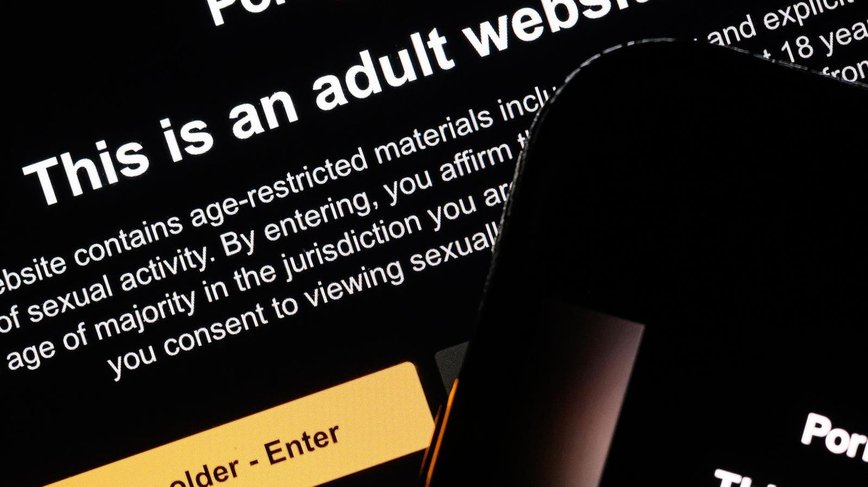
Beware: Fake Updates from Adult Sites
Hold onto your hats because cyber attackers have found a deceivingly effective way to spread malware – fake porn sites. These sites aren't just your regular trap; they're designed to lure you in with fake update prompts that unleash malware on your device. You've been warned: that tempting link might just be more trouble than it's worth.
The security pros at Acronis have flagged a cunning new cyber threat dubbed "JackFix". This sneaky attack leverages "screen hijacking techniques" in tandem with ClickFix, tricking users into believing they need to install a critical Windows security update. Spoiler alert: it's not real.
“The adult theme, and possible connection to shady websites, add to a victim’s psychological pressure, making victims more likely to comply with sudden ‘security update’ installation instructions,” Acronis said.
Psychological Traps: More Than Meets the Eye
This isn't your run-of-the-mill phishing attack. Fake captchas and support pop-ups have been staples of the ClickFix scheme, but this new wave uses cloned adult sites like xHamster and PornHub as bait. Users are duped into launching a convincing Windows Update screen right from their browsers, complete with animations and progress bars.
These cyber tricksters play on your emotions, making you feel like you need to act fast. When you’re caught off guard by an urgent update screen, you’re more likely to follow through without second guessing.
Stay Vigilant – Don’t Fall for the Trap
To steer clear of this digital minefield, avoid clicking on links to adult sites from emails, messages, or pop-ups. Always navigate directly to sites by typing in the URL yourself. Remember, the threat isn’t limited to just these fake porn sites. A new campaign, highlighted by Huntress, involves infostealing malware hidden within seemingly harmless images using steganography, reinforcing the need for vigilance.
Another layer of this attack comes from emails claiming to have "hacked" your devices and demanding money to avoid revealing your online activities. This scare tactic is designed to exploit your fear of exposure. But take heart – it’s nothing more than a hollow threat.
Bottom line: never engage with these emails. Delete them immediately and rest easy knowing that if your security was genuinely breached, you'd have undeniable proof. Stay smart, stay safe, and keep your clicks under control.
Categories:

Author: Nico