
Our Latest News


Texas Declares War On Vpns In Bold Move To Protect Kids Online
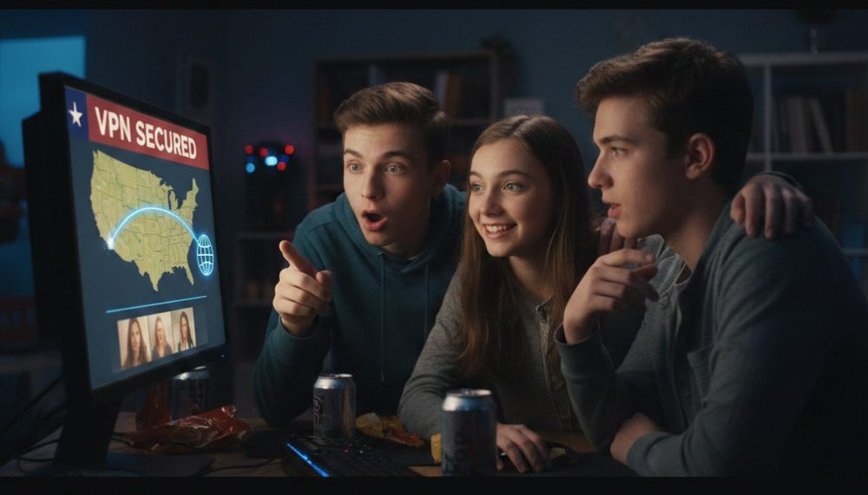
Texas Takes a Stand Against VPNs
November 24, 2025 – The Lone Star State is making waves as lawmakers intensify efforts to "protect children" from the dangers of online pornography. This time, they're targeting Virtual Private Networks (VPNs), sparking a heated debate over privacy and practicality. The latest proposal – a potential statewide VPN ban – aims to curb minors' access to adult content online, but experts and civil liberties advocates are raising alarms about its feasibility and implications.
A History of Online Protection
Back in 2023, Texas implemented one of the toughest age-verification laws in the nation, demanding adult websites to verify users' ages using government IDs or third-party services. Although hailed as a victory for child protection, the law led major adult platforms to block Texas users entirely, citing compliance challenges and liability risks. While supporters claimed this demonstrated the law's effectiveness, critics noted that tech-savvy teens and adults bypassed these blocks using VPNs, maintaining access to restricted content.

The Rising VPN Challenge
Virtual Private Networks encrypt users' internet traffic and hide their IP addresses, effectively bypassing geographic restrictions and safeguarding online privacy. By potentially banning VPNs, Texas aims to close this loophole and further restrict access to adult content. However, privacy advocates and cybersecurity experts argue that such a ban would affect millions of Texans who rely on VPNs for legitimate purposes, including remote work and data security. They also caution that enforcing a VPN ban would be technologically challenging, if not impossible, and could drive users towards even more sophisticated methods of circumvention.
“This is a slippery slope towards broader digital surveillance,” warn civil liberties groups, “with far-reaching consequences for everyday users.”
Balancing Protection and Privacy
State officials justify their proposals by citing public concern about children's exposure to online pornography. Yet, opponents argue that the state is simplifying a multifaceted issue, focusing on headline-grabbing policies instead of investing in digital literacy, parental support, and comprehensive online-safety education. As the debate rages on, tech industry analysts predict that determined minors will continue to find ways around filters, while law-abiding adults may lose essential privacy protections.
The Road Ahead
As Texas navigates this complex terrain, the state faces a tough balancing act between safeguarding children and preserving individual privacy. With mounting opposition and technological obstacles, the success of the proposed VPN ban remains uncertain. What is clear, however, is that the conversation around online safety and digital rights is far from over.
Categories:

Author: Cole