
Our Latest News


The Rise Of 'Finstas': Why Secret Instagram Accounts Are A Growing Concern For Parents
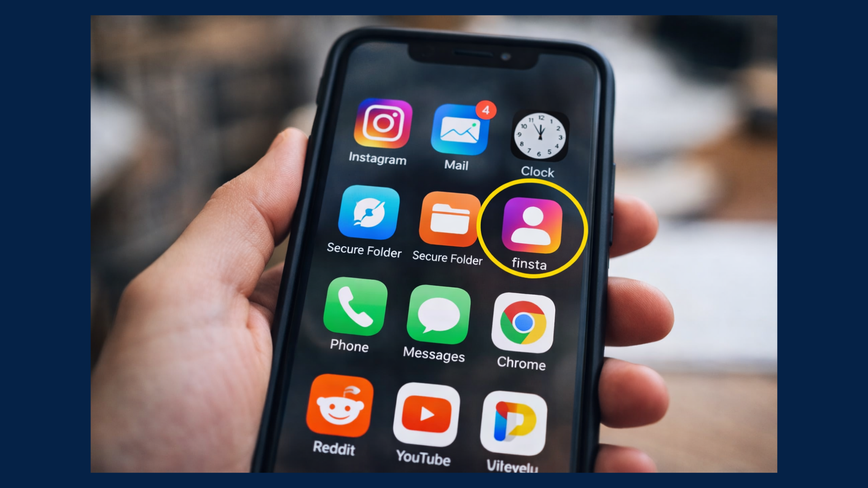
Decoding the 'Finsta' Phenomenon
In today's digital age, parents are finding themselves in a constant battle to keep up with their children’s online activities. A recent concern is the rise of 'finstas' – hidden Instagram accounts that kids create to fly under the radar. These 'fake Insta' accounts are often private, hidden from parents, and sometimes even friends, creating a loophole in parental control systems.
The simplicity of creating a 'finsta' is part of the problem. A child only needs to sign up with a different email and select an older age to bypass Instagram's protections for younger users. Holly Grosshans from Common Sense Media points out how easy it is, stating, "Right now, all you have to do is click that you’re over the age of 18, and you’re done.”
Experts warn that such accounts can quickly attract unwanted attention, with reports showing that new accounts set up with an adult age receive follow requests, some from accounts promoting adult content.

Why Instagram's Protections Fall Short
Instagram has implemented several safeguards for teen accounts, including default private settings, limited messaging from strangers, content restrictions, and parental supervision tools. Nevertheless, these measures are easily circumvented when a secondary account is created with a falsified age.
“That’s where they can be having private conversations and looking at whatever content they want, and it’s not being monitored at all,” Grosshans explained.
Further complicating matters, children are skilled at concealing these accounts by changing app icons, moving apps into folders, using alternate usernames or emails, and routinely logging out before handing over their phones. A thorough phone check might still miss these hidden profiles.
Staying Involved – The Best Defense for Parents
Research indicates as many as 40 percent of pre-teens might have secret accounts to dodge parental oversight. This issue isn't confined to Instagram, with similar behavior observed on gaming platforms and other apps.
The key takeaway for parents is engagement. Experts stress the importance of routinely checking privacy settings, reviewing all installed apps, ensuring accounts are set to private, and maintaining open communication with children about their online interactions.
Ultimately, even with vigilant monitoring, parents may not fully grasp what their children are up to online. "The account you can see may not be the only one," Grosshans warned, highlighting the importance of ongoing dialogue and involvement.
Categories:

Author: Cole