
Our Latest News


Unpacking The Hidden Pitfalls Of Age Verification Laws In 2025
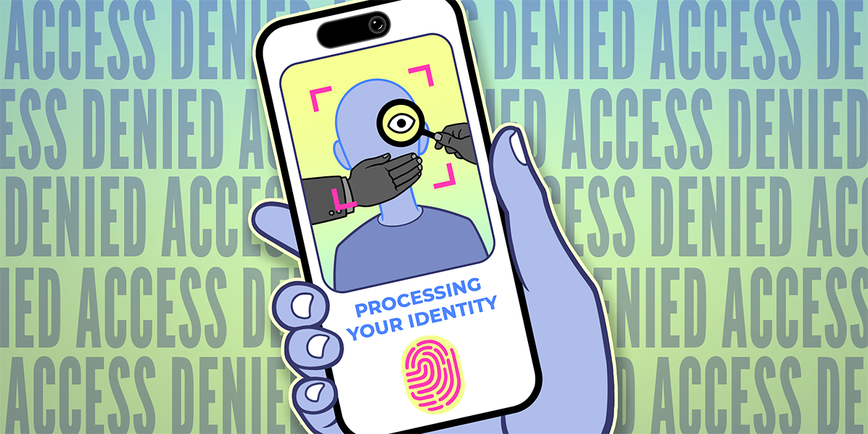
Age Verification Laws: A Double-Edged Sword
In the twilight of 2025, a sweeping change has gripped the U.S. and U.K.: half the population now faces the requirement of uploading IDs or undergoing facial scans to access adult content. This trend is echoed across multiple states and Australia, where social media accounts are also gated by age-verification mandates. Intended to shield young audiences, these regulations are, in fact, fraught with issues.
These laws push users into choosing between onerous ID checks or nuanced biometric scans. Although well-intentioned, they inadvertently infringe upon the right to speak freely and access information, leaving marginalized groups, who rely most on online spaces, particularly disadvantaged. As these laws stand, they seem to inflict more harm than good on both adults and children.
Navigating the Impact on Vulnerable Populations
One of the most affected groups are adults without proper identification. It's estimated that 15 million U.S. citizens lack a driver's license, with over 2.6 million missing any form of government-issued photo ID. Adding to this is the challenge faced by Black, Hispanic, and lower-income Americans who struggle with maintaining valid IDs, often due to systemic barriers.
Furthermore, automated age-estimation systems, which many platforms employ, falter when dealing with diverse ethnicities, leading to misclassification and unequal access for Black, Asian, Indigenous, and Southeast Asian users. This is a concerning reflection of existing biases in AI technologies, which historically struggle with accuracy across racial lines.
“Age verification measures are meant to protect, but they often end up discriminating against those they aim to safeguard.”
Challenges for the LGBTQ+ Community and Beyond
For transgender and non-binary individuals, age-verification technologies present a conundrum. These systems not only fail to recognize non-binary identities but also require trans individuals to use outdated or incorrect documents, risking unwanted exposure. This systemic flaw can cut off access to online platforms like social media, which are vital for community and self-expression.
Additionally, the systems jeopardize user anonymity, a cornerstone of online safety for journalists, activists, and domestic abuse survivors. By demanding personal data like government IDs, these laws dismantle the veil of anonymity crucial for those who navigate online spaces to evade surveillance or danger.
Broader Consequences on Data Privacy and Free Speech
Perhaps the most alarming aspect of age-verification laws is their threat to personal privacy. Requiring sensitive data upload exposes individuals to significant privacy risks. Once collected, this information becomes vulnerable to breaches, as demonstrated by past incidents involving companies like AU10TIX and platforms such as Discord.
The laws also tread on free speech, restricting access to lawful online content for adults while failing to effectively block minors. This dual failure challenges the First Amendment rights, making it clear that while the intention is protection, the execution is flawed, perpetuating inequalities and silencing marginalized voices.
Categories:

Author: Nico