
Our Latest News


Why The U.S.-Iran Crisis Is Sending The Indian Rupee Into A Tailspin
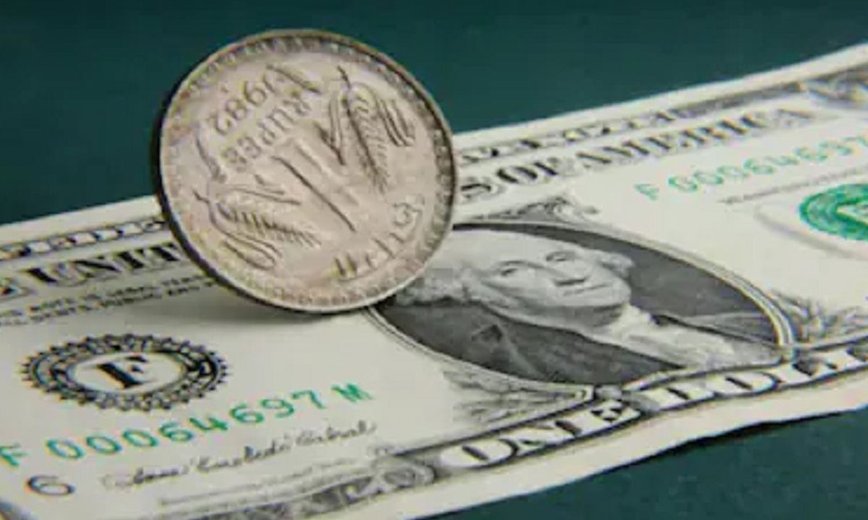
The U.S.-Iran Conflict: A Global Concern
The escalating conflict between the United States and Iran has become a focal point of global anxiety. This tense situation is not just stirring political unrest but is also having a significant impact on international markets. One notable effect is the dramatic decline of the Indian rupee against the American dollar.
The rupee has plummeted to an unprecedented low of ₹92.15 against the dollar, marking its weakest position ever recorded. This drop comes amidst heightened tensions in the Middle East and a rise in global market uncertainty.
Dollar Defies Expectations
In a surprising twist, the U.S. dollar has strengthened, contrary to the common expectation that the currency of a nation at war would weaken. Investors are flocking to the dollar, viewing it as a safe haven amidst the global turmoil.
“It’s unexpected but the dollar is seen as a safe bet in these unpredictable times," a financial analyst explains.
Meanwhile, crude oil prices have surged due to the ongoing conflict. Since India imports a significant portion of its oil, the rising prices mean more dollars are required to meet these oil needs, further intensifying the demand for the dollar and putting additional pressure on the rupee.
Economic Ripples Across the Globe
The ripple effects of the U.S.-Iran tensions are clear: global market tensions, escalating energy prices, and heightened demand for the dollar are all contributing factors to the rupee's decline. Additionally, stock markets are feeling the heat, with fears of prolonged instability looming large.
Despite the anticipation that the dollar might weaken during a war, the opposite has occurred, leaving the Indian rupee grappling for stability in these turbulent and uncertain times.
Categories:

Author: Nico