Our Latest News


Why Youtube'S Age Verification Could Be A Dealbreaker For Viewers
YouTube's Growing Age Verification Push
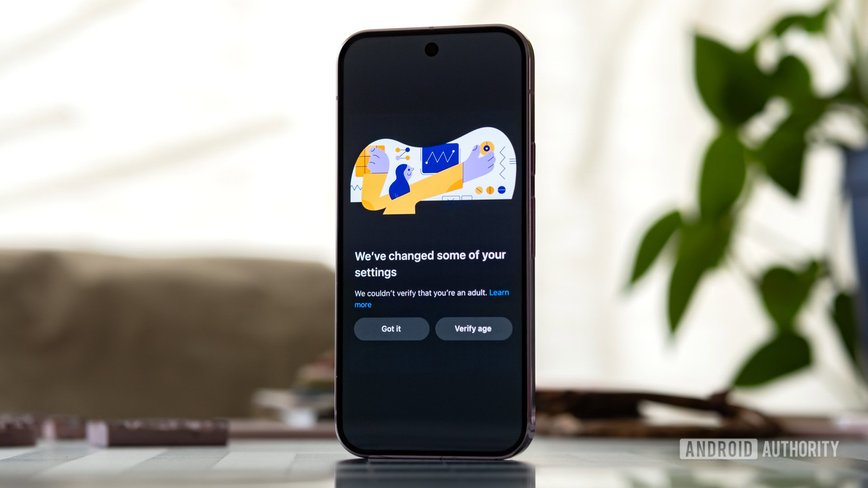
YouTube's recent expansion of its AI-driven age-estimation process in the US is raising eyebrows, especially among those who value their online privacy. Starting in July, the platform began requiring users it suspects might be minors to prove their age to access all content. This initiative has now ensnared even more users.
Fans of the platform treasure YouTube for its unique blend of content – from breaking news and live concerts to video game reviews and DIY tutorials. However, the platform's invasive verification processes might be the last straw for some. If YouTube's systems wrongly flag you as underage, you could face restrictions unless you provide personal identification documents, selfies for age analysis, or credit card details.
The Anxiety over Privacy
Many users feel uneasy about sharing personal information with YouTube. As one commentator pointed out, handing over ID to a website is a far cry from showing it at a checkout counter. While YouTube assures that no user data from IDs or payment information will be used for advertising, doubts linger. Civil liberties experts warn that such data might be stored for other purposes, posing a risk of exposure in case of data breaches.
"It's not just about the data YouTube claims not to use; it's about how much control users lose over their personal information once it's uploaded," one privacy advocate expressed.
Instances of false positives in YouTube's system have surfaced on platforms like Reddit, where users claim they've been incorrectly flagged as minors. While some attempt creative workarounds, Google is continually tightening its systems to counter such methods.
Implications of Legislative Pressure
YouTube isn’t alone in this move – platforms globally face increasing pressure to comply with new legislation. Across various regions, laws are being introduced to ensure children don't stumble into unsuitable online content. Many US states and the UK have already enacted or proposed such regulations.
However, some argue that these measures might not effectively shield children while possibly stifling access to valuable information for both minors and adults. A Reddit user highlighted how a video on suicide awareness was blocked by age restrictions, illustrating potential downsides.
A Personal Stand Against Age Verification
As more platforms adopt stringent age checks, some users feel compelled to consider alternatives. The prospect of handing over an ID just to enjoy videos is a dealbreaker for some, and Taylor Kerns, a frequent YouTube user, expresses readiness to abandon the platform if forced into an uncomfortable privacy compromise.
In an ever-evolving digital landscape, maintaining anonymity and privacy online is becoming increasingly challenging. While age verification aims to protect younger audiences, it raises significant concerns about data security for all users.
Categories:

Author: Imani