
Our Latest News


Youtube Raises Livestream Age Limit: What It Means For Young Creators
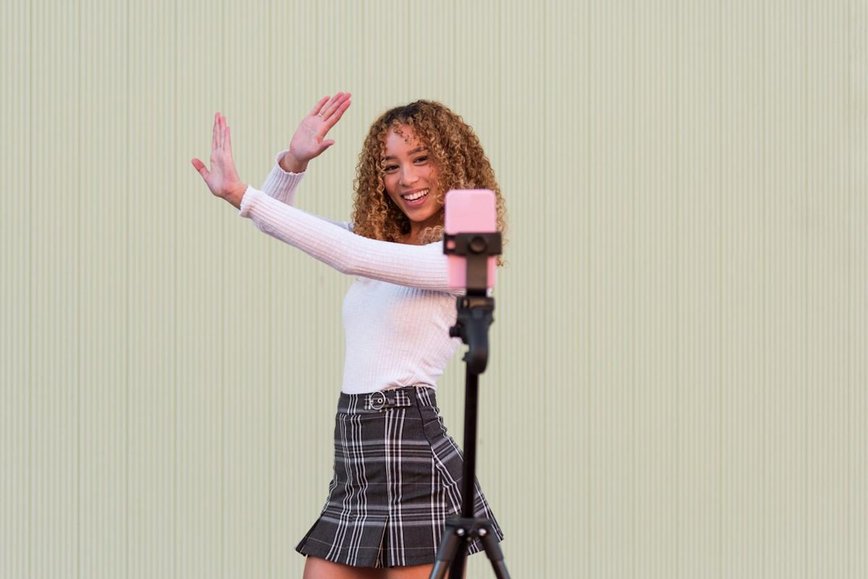
YouTube Shifts Livestreaming Age Limit
YouTube is setting a new age minimum for teens aiming to go live on their own. Announced on July 22, the platform will now require creators to be at least 16 years old to livestream without an adult's company. This marks a change from the previous age threshold of 13.
Why the Change?
The updated policy means younger users will still be able to broadcast live, but only if an adult is visibly present and actively participating. YouTube insists that adults involved in livestreams must contribute significantly to the content, ensuring a shared creative space. This rule is strictly enforced, with non-compliant streams facing removal and live chat functions being disabled.
“The adult has to be visibly present and engage in the livestream as much as you do so that we know that you are co-creating with them,” YouTube writes.
Enforcing New Rules
YouTube, owned by Google and part of the Alphabet family, is serious about enforcing these changes. Any attempts to bypass the rules by using different accounts or channels will result in potential account termination. Additionally, teens under the age of 16 must now grant an adult access to their channel, allowing them to start streams through the YouTube Live Control Room.
Implications for Young Creators
This shift is significant for young creators who are eager to build their online presence. While the update does impose new barriers, it aims to create a safer and more collaborative environment for younger users. By involving adults directly in the livestreaming process, YouTube hopes to foster a space where responsible content creation thrives.
Categories:

Author: Cole