
Our Latest News


Zuckerberg Faces The Heat: Social Media Trial Unpacks Addiction Allegations
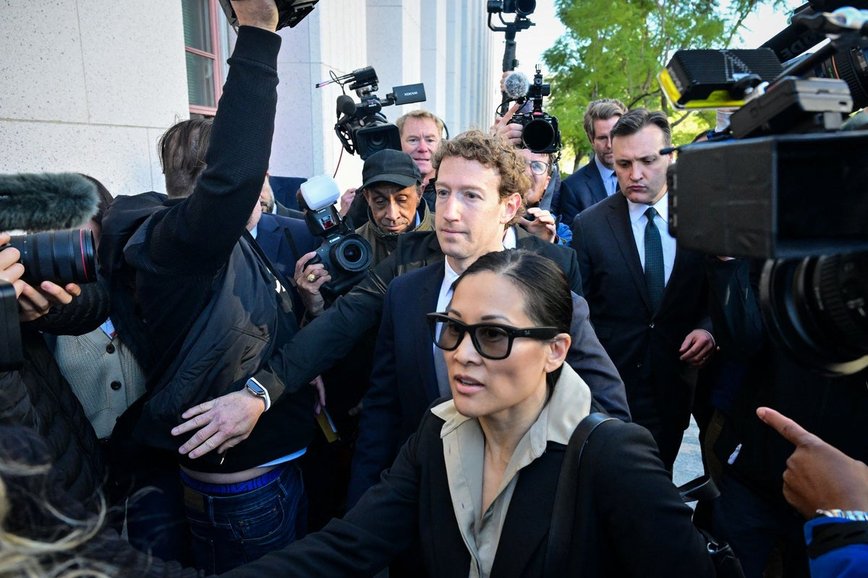
Meta's CEO Under the Spotlight
In a closely-watched legal showdown, Meta's CEO Mark Zuckerberg took the stand in a Los Angeles courtroom to address allegations related to social media addiction. This civil trial, unfolding in the Los Angeles County Superior Court, could have far-reaching consequences for the tech sector, especially in how platforms are held accountable for their impact on young users.
During Wednesday's testimony, the 41-year-old billionaire was grilled on various topics, from past congressional appearances to the handling of underage users and Instagram's controversial beauty filters. A document titled "Zuckerberg comms plan" was presented to the jury, detailing how the CEO was advised to avoid seeming "fake, robotic, corporate and cheesy."
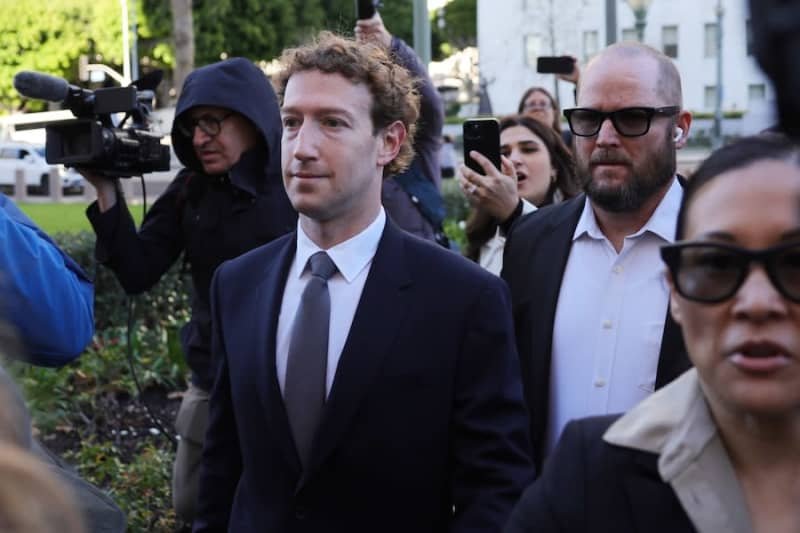
The Case That Could Change Everything
This marks Zuckerberg's first appearance in a civil trial as he defends against claims from a 20-year-old California woman, known only as KGM. She accuses Meta, alongside TikTok, Google, and Snap, of emulating Big Tobacco’s tactics by fostering addictive behavior in teens while disregarding internal research on potential health risks. KGM alleges that her excessive use of YouTube and Instagram as a child worsened her depression and suicidal thoughts, charges the companies refute.
“These companies built machines designed to addict the brains of children," the plaintiff's attorney, Mark Lanier, stated, highlighting the gravity of the accusations.
The trial has already seen TikTok and Snap settle, leaving Meta and Google as the remaining defendants. The case has been identified as a bellwether trial, whose outcome could significantly influence similar lawsuits against tech giants.
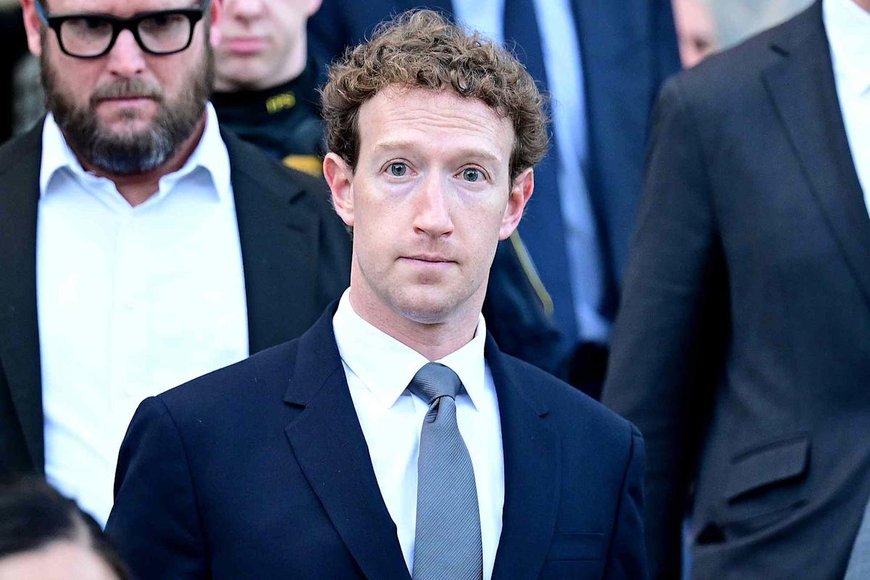
Zuckerberg's Testimony and Industry Implications
Zuckerberg's testimony thus far, as reported by the Associated Press, has not definitively addressed whether Instagram's design is inherently addictive. The plaintiff's attorney challenged him on Instagram's vast underage user base, questioning the efficacy of its age verification processes. While Zuckerberg reiterated Meta's policy of removing underage users, the attorney countered, "You expect a nine-year-old to read all of the fine print?"
Further, the trial delved into the contentious issue of Instagram’s beauty filters. While acknowledging negative feedback, Zuckerberg defended their availability under the guise of "freedom of expression." These proceedings, happening under strict rules against recording, even saw speculation about Zuckerberg's entourage using AI-powered smart glasses, according to CNBC.
With over 1,500 lawsuits targeting social media companies for similar concerns, the outcome of this trial could redefine the responsibilities and liabilities of tech platforms regarding their younger audiences.
Categories:

Author: Cole