Our Latest News


Ai-Powered Influencers: The Next Big Thing In South Korea'S Side Hustle Scene
Virtual Fame – No Humans Required
SEOUL, May 25 (Korea Bizwire) – A new wave of entrepreneurial side hustles is quietly spreading in South Korea, where office workers are tapping into the potential of AI-generated 'virtual influencers' to draw in paying subscribers with tantalizing content.
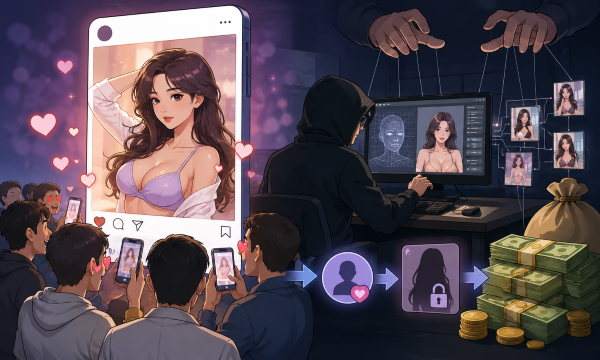
These accounts mimic the allure of a typical Instagram profile, featuring glamorous young women showcasing swimsuit snapshots, sharing lifestyle tidbits, and engaging fans with flirtatious banter. However, the twist here is that these influencers are entirely digital creations crafted by generative AI technology.
The Business Model Behind AI Influencers
One standout account, with around 140,000 followers, spotlights a stunning virtual woman posing in eye-catching outfits, responding to admirers' comments and garnering tens of thousands of 'likes' per post. Yet, this woman is a figment of AI's imagination.
Operators behind such profiles use advanced AI tools to build hyper-realistic characters, sharing mildly suggestive content on platforms like Instagram to amass a dedicated following. Once engaged, followers are nudged towards premium subscriptions, promising racier images via Instagram's paid system or platforms like Patreon and OnlyFans.
“Linking AI-generated influencers to OnlyFans is the most profitable side hustle,” said a marketplace seller touting manuals on creating these accounts.
In one case, an account boasted over 400 paid Instagram subscribers and 100 on Patreon, pulling in estimated monthly earnings of 5 million won ($3,600) post-platform fees.
Legal and Ethical Challenges
The rise of such AI-driven content highlights a significant shift in the accessibility of commercialized sexual content production, while also exposing regulatory loopholes. South Korean law penalizes the distribution of explicit materials, AI-generated or not. However, lightly sexualized images of fictional figures currently navigate a legal gray area unless they cross specific obscenity thresholds.
In an attempt to address this, lawmakers proposed legal amendments last September to criminalize AI-generated sexual content. This proposal is stalled, facing criticisms of potential infringement on freedom of expression.
Legal experts and women's rights advocates, like Lee Eun-ui, emphasize the need for a broader public discourse on this issue due to its possible long-term societal impacts. The Korea Women's Hot Line has urged for robust AI ethics guidelines to ensure accountability from both AI developers and online platforms for content production and distribution.
As generative AI tools become more widespread, South Korea is at a crossroads – grappling with balancing tech innovation, commercial liberties, and digital morality.
Categories:

Author: Cole