
Our Latest News


Cyber Alert: Hacker Claims Access To 340 Million Onlyfans Accounts
The Shocking Sale
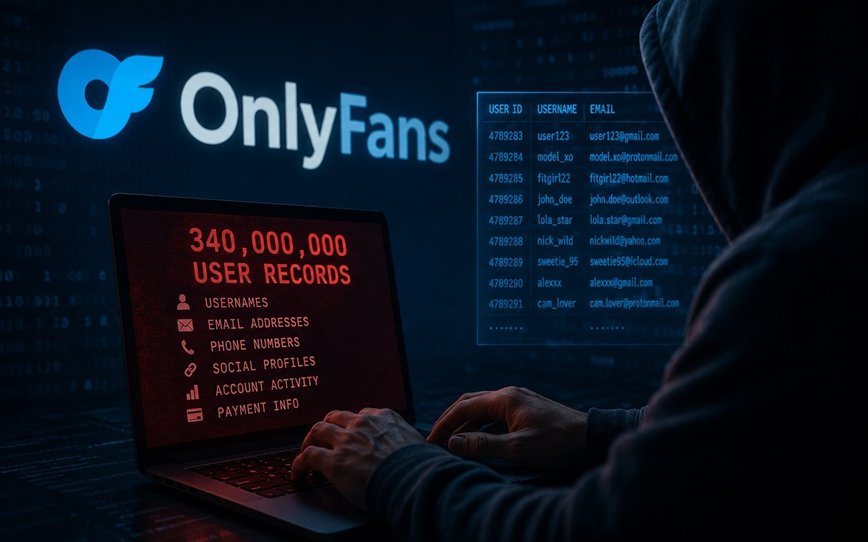
A shocking revelation has unfolded in the cyber world as a hacker has reportedly put the data of 340 million OnlyFans users up for sale. The first reports emerged from Hackread, which detailed the hacker's listing on a well-known cybercrime forum. Priced at about 0.313 BTC – roughly $76,000 – the offer includes a treasure trove of sensitive information.
The data set is said to contain usernames, email addresses, phone numbers, account statistics, follower details, and linked social media accounts of both content creators and subscribers. The scope and scale of the data dump have raised significant alarm within the OnlyFans community.
Denials and Data Sources
Despite the alarming claims, the hacker has reportedly denied breaching OnlyFans directly. Conversations with Hackread revealed that the database might have been assembled from older leaks and public data sources linked to platforms like X, Instagram, and Spotify. This claim, if true, could indicate that the breach stems from previously compromised datasets rather than a direct hack into OnlyFans' servers.
“Even aggregated databases like this pose serious risks to users,” emphasized a cybersecurity expert. “They can be goldmines for phishing attacks, blackmail, and identity theft.”
Such databases, though not directly hacked from OnlyFans, still offer a potential goldmine for cybercriminals. The aggregated data can seamlessly connect usernames with contact information and social media accounts, presenting new opportunities for malicious activities.
Broader Implications
This news arrives on the heels of another scandal, reported by Qazinform News Agency, about a hacker who allegedly stayed in luxury hotels in Spain for just one euro cent per night. The revelation underscores the increasing sophistication of cybercriminals and the need for heightened vigilance among digital platforms and their users.
The OnlyFans breach serves as a stark reminder of the vulnerabilities inherent in online platforms and the ever-evolving tactics of hackers. As the situation develops, users are advised to stay vigilant and take necessary precautions to safeguard their personal information.
Categories:

Author: Nico