
Our Latest News


Whatsapp'S Storage Habits Stir Up Privacy Concerns On Apple Devices
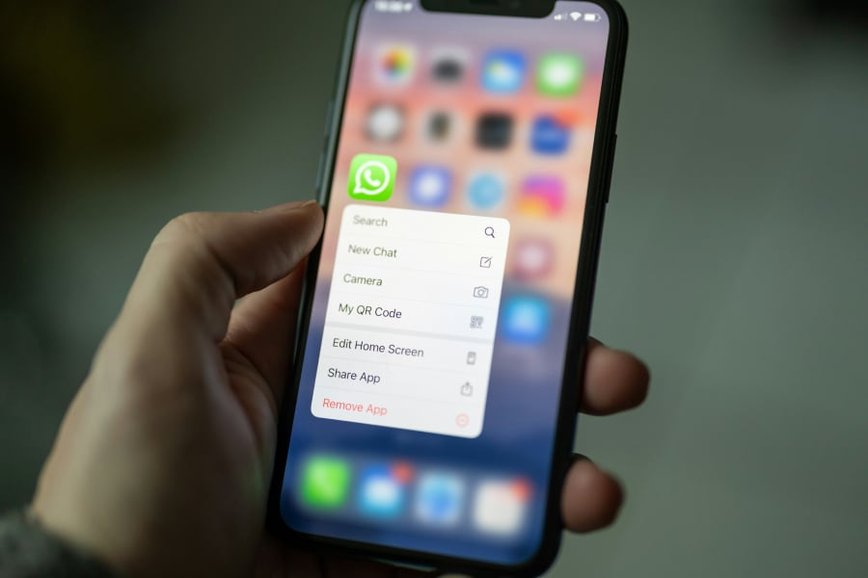
WhatsApp's Storage Habits Under Scrutiny
Security researchers are raising eyebrows over WhatsApp's handling of local storage on Apple devices, specifically macOS and iOS. The messaging platform, known for its robust end-to-end encryption, is under fire after researchers at Mysk claimed that some decrypted chat data is stored in readable local database files. This revelation has led to questions about the level of protection users truly have once their messages reach an Apple device.
While encryption ensures secure message delivery, the concern now shifts to how messages are stored once decrypted. Are local databases, device backups, and shared app containers adequately safeguarding user data? For organizations allowing WhatsApp on managed devices, the spotlight is less on encryption's effectiveness during transit and more on endpoint security after a message is opened.
Allegations of Readable Local Databases
Mysk's accusation suggests that WhatsApp stores certain chat databases in an app group container, potentially accessible to other apps by the same developer, depending on permissions and platform protections. "WhatsApp stores chat databases unencrypted in an app group container accessible to apps from the same developer," said the researchers, as reported by Cyber Security News.
“WhatsApp stores chat databases unencrypted in an app group container accessible to apps from the same developer,” stated the researchers.
This includes files like Axolotl.sqlite and ContactsV2.sqlite found in a shared WhatsApp container. These app group containers are designed for data sharing among related apps or extensions, but the fear is that readable local chat data heavily relies on Apple’s sandboxing and security measures.

Experts Push Back Against Claims
WABetaInfo, a source for WhatsApp updates, disputes the broader implications of these findings. On social media platform X, they described the claim as "misleading." While acknowledging that WhatsApp’s database may not be encrypted on the device, WABetaInfo emphasized that it's stored in a secure container, accessible only to WhatsApp under normal system permissions.
Moreover, WABetaInfo refuted suggestions that other Meta apps like Facebook and Instagram could access WhatsApp's database. They clarified that the shared container facilitates data migration between WhatsApp and WhatsApp Business rather than cross-app access.
Potential risks persist if an attacker gains elevated access or exploits system vulnerabilities, such as the recent macOS Archive Utility flaw, CVE-2026-28910, which could allow extended filesystem access beyond intended boundaries.
How IT Teams Can Respond
For IT security teams, this issue extends beyond mere messaging app concerns. It calls for a focus on endpoint and mobile device management strategies. Organizations allowing WhatsApp on managed devices can mitigate risks by enforcing strong security protocols: mandating robust passcodes, utilizing biometric locks, ensuring devices run the latest operating systems, and securing backups with encryption.
Especially for teams dealing with sensitive information, evaluating if WhatsApp's local storage approach aligns with their security needs is crucial. Until further details come to light, the main takeaway is clear: while end-to-end encryption protects message transit, it doesn't guarantee encrypted local storage.
Explore our comprehensive analysis of the 2026 Verizon Data Breach Investigations Report to understand how current security threats are evolving with technology.
Categories:

Author: Imani