
Our Latest News


Poland Takes A Stand: No Phones Allowed In Primary Schools
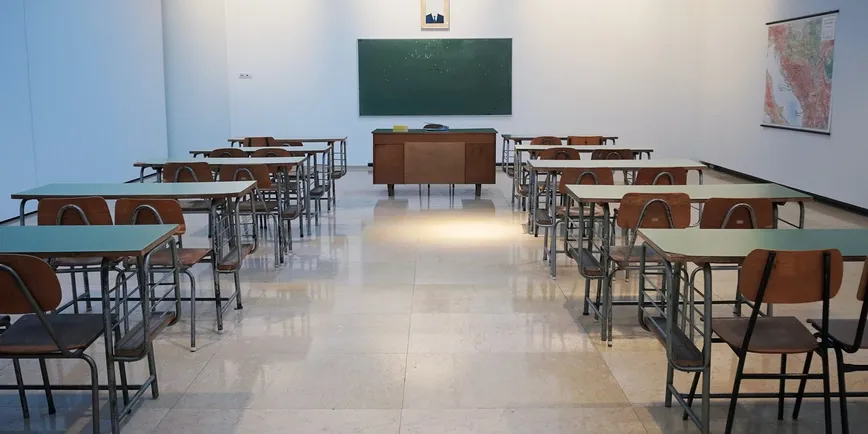
Mobile Phone Ban in Polish Elementary Schools
Poland is gearing up to implement a ban on mobile phones and smartwatches in elementary schools, as proposed by the government. The restriction will cover the entire school day, including breaks, although students can still bring their devices to school. These must be stored in designated areas until the day ends. This rule, however, does not apply to teachers, staff, or children with special needs, such as those with medical conditions requiring electronic monitoring. In cases of emergency, students can request to use a phone.
“The government proposes banning the use of mobile phones during lessons and breaks in elementary schools,” stated Polish Prime Minister Donald Tusk.
Prime Minister's Remarks and International Context
Prime Minister Donald Tusk's statement highlights Poland's proactive stance on technology management in schools. Similar measures have been adopted worldwide, with Italy enforcing a school phone ban since 2024 and South Korea joining in March 2024. Italy even extended its ban to high schools, showcasing a significant international trend.
Research from the Netherlands supports these moves, indicating that banning phones improves student concentration and fosters a better social environment in classrooms.
Broader Protective Measures
In addition to the phone ban, the Polish government has approved a draft law for age verification on adult content websites. This initiative aims to safeguard young people from harmful online experiences. The UK led the way globally with similar regulations beginning in 2019. Poland's actions underscore a growing awareness of the need to protect children from the digital world's negative influences, aligning with broader global efforts.
The dual approach of limiting device usage in educational settings and enhancing online safety reflects Poland’s commitment to nurturing a healthier, more focused learning environment for its youth.
Categories:

Author: Nico