Our Latest News


Portland Protester Sentenced To Prison For Assaulting Federal Officer
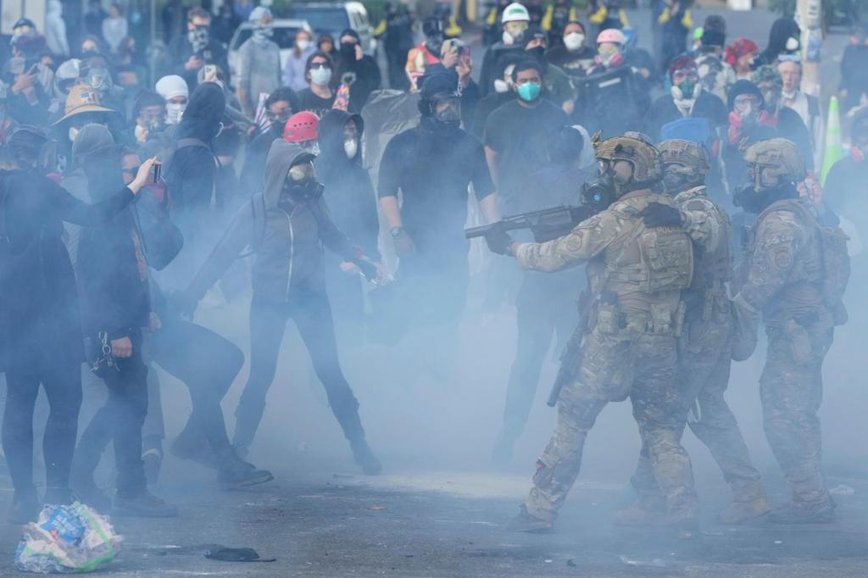
An Intense Night at the Portland ICE Protests
In a significant ruling from Portland, Oregon, Robert Jacob Hoopes has been sentenced to 30 months in federal prison. The charge? Aggravated assault of a federal employee with a dangerous weapon. The incident occurred during a fervent protest at the U.S. Immigration and Customs Enforcement (ICE) building last June, where Hoopes was accused of hurling a rock that struck an officer, leaving him with a gash over his eye.
The sentence came after Hoopes agreed to a plea deal, accepting responsibility for his actions. Besides prison time, he is looking at three years of supervised release and a hefty restitution payment of over $8,000. U.S. District Judge Adrienne Nelson delivered the sentence, underscoring the serious repercussions of violence against federal officers.
Federal Response to Nationwide Protests
These protests have been part of a broader movement against the Trump administration's immigration policies, with similar demonstrations erupting in cities from Chicago to Los Angeles. The Portland ICE building, in particular, has seen relentless protests against aggressive deportation practices, drawing federal attention.
“Today’s message is clear – violence is not a protest,” stated Scott Bradford, U.S. Attorney for the District of Oregon. “When you cross the line and assault a federal officer, you will be prosecuted.”
While Hoopes's attorney, Matthew McHenry, has not publicly commented, the crackdown on protests has been evident. Although some cases have been dismissed, like those of four other Portland protesters, the Justice Department continues to hold individuals accountable for assaults on federal personnel.
Other Portland Protest Sentencings
Notably, this isn't the first sentencing from the Portland protests. Earlier in March, Trenten Edward Barker received an 18-month sentence after pleading guilty to arson of a federal building. Barker was accused of igniting a flare that caused significant property damage at the ICE building during the same period of unrest.
While the courts have dismissed some protest-related cases, others, like Barker's, highlight the ongoing legal battles surrounding these demonstrations. With the protests becoming a symbol of resistance against federal immigration policies, it's clear that the legal repercussions are still unfolding and drawing national attention.
Categories:

Author: Nico