
Our Latest News


Study Reveals Babies' Love For Bold Colors Over Subtle Hues
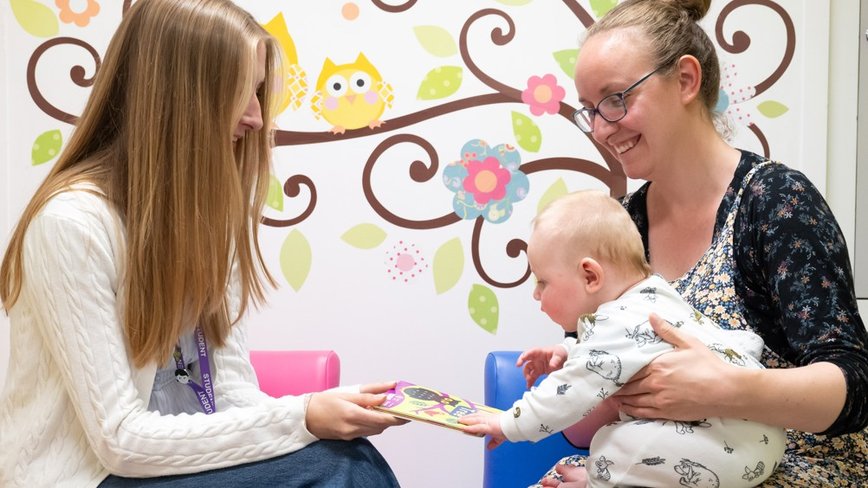
Bold and Bright: What Captivates Babies Most
In a fascinating study conducted by the University of Sussex’s Baby Lab, researchers have uncovered that infants are significantly more drawn to vibrant colors and stark shapes than to the softer hues adults often favor. Published findings reveal that the picture book images parents least expect to engage their little ones are, in fact, the most captivating for infants.
The researchers meticulously recorded the eye movements of 54 babies, aged between two and 12 months, as they observed images from 100 different board and picture books. These books represented a broad spectrum of illustration styles, including some aimed at pre-schoolers, to understand how infants respond to varying visual complexities. The team measured the duration of each gaze, the number of fixations, and the scope of eye movements to compile a comprehensive index of visual engagement.
Infants Prefer High Contrast
The study highlights that infants are naturally drawn to pages filled with bold contrasts—think red/white/brown or red/lime green combinations—rather than the gentle, pastel palettes adults might choose. These preferences align with longstanding findings from the Sussex Baby Lab about infants’ attraction to highly saturated colors like reds, blues, and purples.
“The images babies looked at the longest were often the ones adults liked the least," shared Professor Anna Franklin, co-leader of the study. "Babies’ attention was drawn to bold colors and strong contrasts that might look less aesthetically pleasing to adult eyes.”
Interestingly, the research challenges the notion that monochrome books are ideal for young babies, as black-and-white pages failed to rank among the most engaging. Instead, it was the combination of high color contrast and simplicity that kept infants glued to the pages.
A Gap Between Adult and Infant Aesthetics
In a follow-up experiment, researchers compared infant visual engagement with adults' aesthetic preferences. While babies showed high levels of interest in a vividly colored red and brown monkey face with bold outlines, adults rated the same image as less appealing. Conversely, a pastel drawing of a tortoise and hedgehog, which adults found charming, didn’t capture much infant interest.
Doctoral researcher Taysa-Ja Newman noted that these insights not only deepen our understanding of infant visual development, but also offer valuable guidance for baby book creators. As Franklin emphasizes, "Sharing books with babies has many benefits, from language exposure to social interaction. Understanding which kinds of images capture babies’ attention may help support those early book-sharing experiences.”
Categories:

Author: Nico