
Our Latest News


Taylor Swift Fights Ai With Bold Trademark Moves
Taylor Swift Takes Trademark Action Against AI
Taylor Swift is stepping up her game to protect her brand from the AI-driven future. According to Variety, the pop sensation has filed a series of novel trademarks to guard her unique voice and visual persona from unauthorized use by artificial intelligence. It seems she's following in the footsteps of actor Matthew McConaughey, who laid down a similar legal framework.
Trademark Details Unveiled
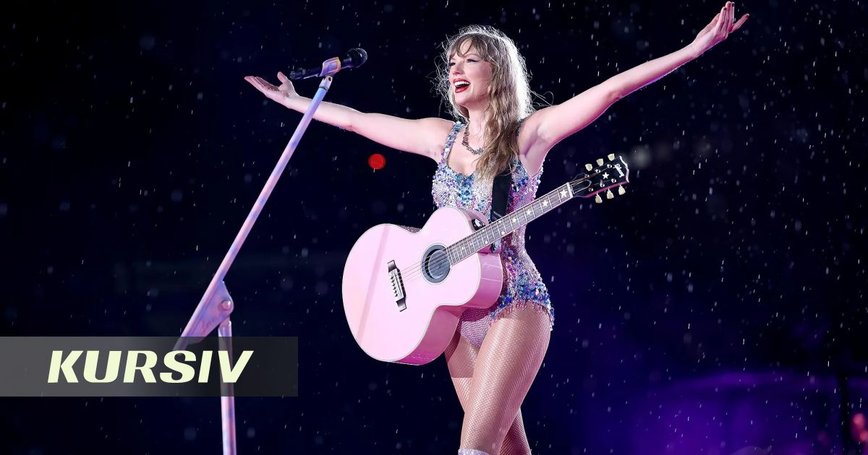
On April 24, Swift's legal team at TAS Rights Management submitted three distinct applications to the U.S. Patent and Trademark Office. Intellectual property lawyer Josh Gerben, who identified these filings, highlights that they are aimed at legally securing specific aspects of her brand. This includes two audio trademarks: "Hey, it’s Taylor Swift" and "Hey, it’s Taylor." Additionally, a visual trademark describes Swift's iconic stage setup, including her holding a pink guitar and wearing a multicolored iridescent bodysuit with silver boots.
“Ultimately, Taylor Swift and Matthew McConaughey’s recent trademark filings are testing new theories on how trademark law will work in the AI age,” Gerben concluded.
AI's Looming Threat
The music industry is increasingly anxious about AI's potential to mimic an artist's voice and likeness without permission. Swift's digital identity has been exploited in unauthorized AI creations, from Meta chatbot avatars to deepfakes used in political campaigns. These trademarks are Swift's way of taking a stand against these threats.
The Federal Trademark Shield
Typically, trademarks do not cover an individual’s persona, but McConaughey’s groundbreaking strategy has shown that such protections can extend beyond state-level right-of-publicity laws. While states like New York and California have laws to protect a person’s likeness, federal trademark infringement lawsuits carry broader national authority. McConaughey found success with this approach in 2025, and it looks like Swift is ready to test these waters too.
Exploring New Legal Frontiers
Gerben suggests that Swift's new trademarks offer her a powerful tool against AI-generated imitations. If an AI platform creates audio that mimics her voice, Swift can claim an infringement of her registered audio trademarks. Similar legal measures could apply to AI-generated images that capture her signature stage presence.
Though this "trademark yourself" strategy hasn't been extensively tested in court, it provides artists with a rapid response mechanism akin to how film studios protect their intellectual property. Notably, Disney used a similar approach in December 2025 to compel Google to remove content generated by its Gemini AI platform.
Ongoing Legal Battles
Alongside her fight against AI, Swift is embroiled in a separate legal battle. She's facing a lawsuit from Las Vegas entertainer Maren Wade, who claims Swift's 2025 album "The Life of a Showgirl" infringes on her existing trademark. The USPTO had previously denied Swift’s trademark application for the album's title, citing potential confusion with Wade’s "Confessions of a Showgirl."
Categories:

Author: Cole