
Our Latest News


The Thymus: A Hidden Key To Longevity And Health Uncovered
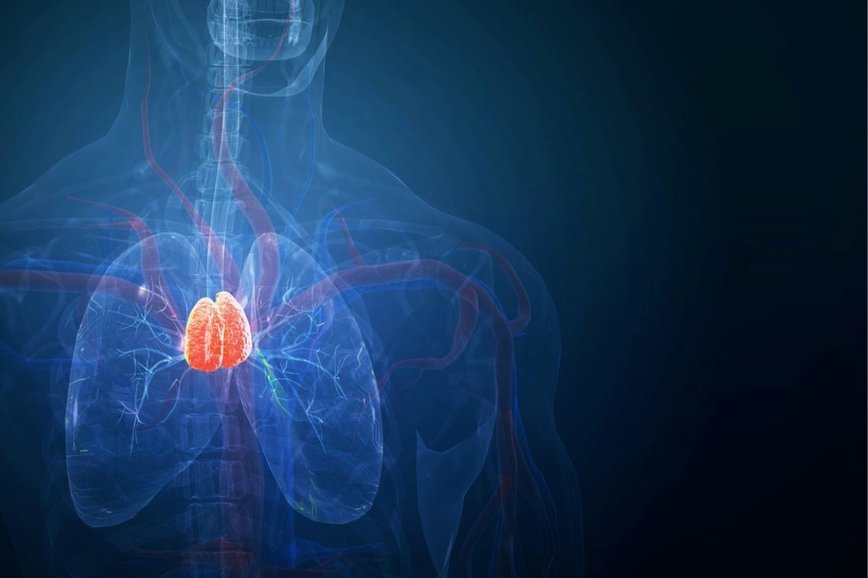
The Thymus Makes a Comeback
The Futura Team, known for their dedication to scientific reporting, has spotlighted groundbreaking research that might change how we think about a small organ nestled in the chest – the thymus. Often dismissed after childhood, new studies from Mass General Brigham suggest it holds the secret to not only a longer life but also more effective cancer treatments.
Published in the renowned journal Nature, these studies challenge long-held beliefs, hinting that the thymus remains critical well into adulthood. Such findings could revolutionize disease prevention strategies and inform future treatment protocols.
“The thymus has been overlooked for decades and may be a missing piece in explaining why people age differently,” reveals Hugo Aerts, PhD, an instrumental figure in this research and director of the Artificial Intelligence in Medicine (AIM) Program at Mass General Brigham.
Inside the Thymus’ Role
This little gland is all about T cells, those warrior immune cells guarding our health. Despite its shrinking act after puberty, the thymus continues to play a significant role – a fact that’s been overlooked in large-scale studies until now.
Extensive data from more than 25,000 adults in a national lung cancer screening trial and over 2,500 participants from the Framingham Heart Study drove these insights home. With the help of AI, researchers measured the thymus in CT scans, creating a “thymic health” score. The higher the score, the better the health outcomes, including a striking 50% drop in overall mortality risk.
Implications for Cancer and Beyond
But it’s not just about living longer. In a focused study on over 1,200 cancer patients, those with healthier thymuses showed better responses to immunotherapy, highlighting the thymus’ potential role in modern treatment effectiveness.
While the initial findings are promising, the researchers caution that more work is needed to confirm these results and refine the imaging techniques used. “Improving our understanding and monitoring of thymic health could eventually help physicians better assess disease risk and guide treatment decisions,” adds Aerts.
This research, supported by prestigious institutions like the National Institutes of Health and the European Research Council, represents a pivotal moment in understanding the understated thymus. As scientists continue to explore the factors affecting thymic health, the medical community watches eagerly, knowing this could reshape our approach to wellness and disease management.
Categories:

Author: Cole