
Our Latest News


Uk’S Under-16 Social Media Ban: What'S At Stake
The UK's Bold Move to Protect Minors
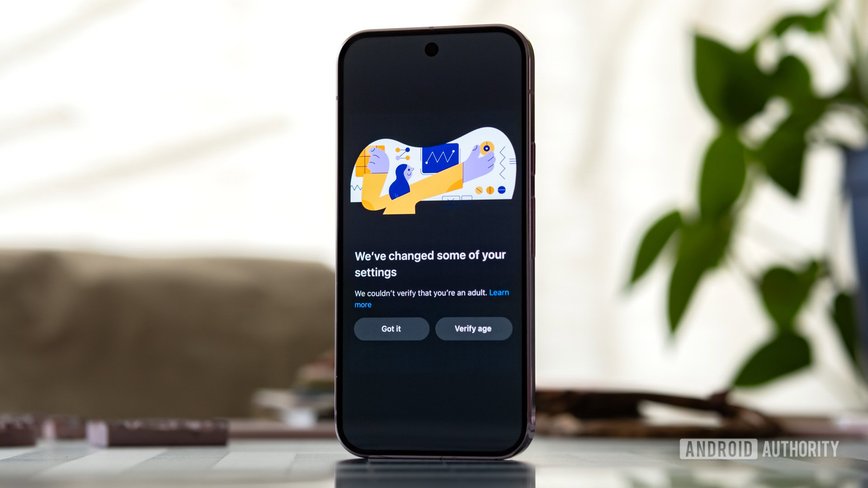
The UK government is rolling out a bold initiative to bar anyone under 16 from accessing social media, requiring platforms to verify every user's age. While some see this as a necessary step for child protection, critics warn the implications could ripple far beyond British borders, affecting global users.
What Are The New Rules? Social media giants in the UK will need to verify users' ages as per the new requirements. Non-compliance could attract hefty fines under the Online Safety Act, empowering Ofcom, the UK's communication regulator, to oversee adherence. Beyond age checks, the government is contemplating overnight curfews for minors, effectively locking them out during specified hours.
How Platforms Will Handle Age Verification
For the average user, this shift means more than just age checks. Major platforms like TikTok, Instagram, and YouTube might require users to submit personal information, potentially matching against government IDs or credit cards. Privacy advocates are raising concerns: what happens to this data, who can access it, and how safe it is from breaches?
“The idea of handing over sensitive information just to browse social media seems like a huge overreaction,” expressed a concerned user on a popular online forum.
This shift will likely disrupt the current anonymous browsing experience, leaving millions of adults wary of sharing their passports with tech titans.
Critics Speak Out
Despite the government's intentions, many argue the plan might miss its mark. Critics point out that tech-savvy teens can circumvent restrictions using VPNs, making it easy to cloak their location and identity online. Others suggest that pushing kids off mainstream platforms might drive them towards less secure, unregulated online spaces.
Lessons from overseas don't paint a reassuring picture either. Australia's similar under-16 ban, enacted in late 2024, has faced implementation challenges, casting doubt on the UK's approach.
Global Implications of the UK Strategy
The UK's decision resonates globally, as major markets often set precedents that ripple through the digital world. Much like the EU's GDPR influenced global data regulations, the UK's age verification mandate might soon see teenagers in the US or Canada facing similar scrutiny on their social media accounts.
For parents, this brings a sense of security, knowing platforms are making efforts to shield young users from inappropriate content. However, for teenagers, the restrictions could hamper their access to vital tools for learning and social interaction.
What To Expect
Adults who value online anonymity face considerable challenges ahead. A system designed to keep teens off Snapchat inadvertently forces adults to prove their age, raising privacy concerns. Meanwhile, platforms will have to bear the brunt of integrating these costly verification systems, stretching smaller companies.
Critics and supporters alike continue to weigh in, as the UK ventures into uncharted regulatory territory, shaping the future of digital interactions for users everywhere.
Categories:

Author: Cole