Our Latest News


Unlocking The 90S: Most Banned Books That Stirred Controversy
Exploring the Most Banned Books of the 1990s
Some iconic titles topped the list of most banned books in the 1990s. These literary classics faced the heat for various reasons. Among them were The Giver, Goosebumps, and Go Ask Alice. But let's zoom in on the ones that stirred the most controversy back in the day.
10. The Catcher In The Rye
The Catcher in the Rye, penned by J.D. Salinger and published in 1951, is often heralded as a 20th-century masterpiece. However, Salinger's portrayal of rebellious youth led many parents and school boards to challenge its presence in libraries. The protagonist, Holden Caulfield, with his critical view of authority, symbolizes a punk rock ethos that resonated with young readers but alarmed adults.
“Holden Caulfield might be a fan of today’s punk bands, still railing against the 'phonies.'”
Despite its challenges, The Catcher in the Rye has become a rite of passage for generations, even as its frequency on banned lists has waned over time.
9. Heather Has Two Mommies
Lesléa Newman's Heather Has Two Mommies broke new ground in LGBTQIA+ children's literature when it was released in 1989. The story of a young girl raised by lesbian parents was celebrated for its representation but faced backlash for its depiction of non-traditional families. Despite heavy challenges, its impact was profound, eventually paving the way for greater acceptance in children's literature.
8. Bridge To Terabithia
Katherine Paterson's Bridge to Terabithia, published in 1979, might be a children's classic, but its mature themes, including the sudden death of a key character, led to challenges. The poignant tale of friendship, imagination, and loss was often deemed too intense for young readers, yet it remains a cherished book for many who appreciate its lessons in grief and resilience.
7. Forever...
Judy Blume's Forever..., released in 1975, explores teenage sexuality and relationships with honesty and sensitivity. This explicit portrayal of young love earned the book a spot on many banned lists, as parents and educational boards grappled with its candid narrative. Over time, however, its raw depiction of teenage life has found a place in literary discussions beyond its initial controversies.
6. Of Mice And Men
John Steinbeck's 1937 novel Of Mice and Men continues to be both a celebrated and contested work. The story of friends Lennie and George grapples with themes of disability, racism, and violence, making it a staple in high school curricula but also a frequent target of censors. The book's tragic ending has sparked debates for decades, cementing its place as a literary classic that challenges readers to reflect on human nature.
5. Adventures Of Huckleberry Finn
Mark Twain's The Adventures of Huckleberry Finn is often challenged for its language and portrayal of race. While Twain intended to critique racism, his use of offensive language makes the book difficult for some readers today. Despite this, it remains an essential piece of American literature, offering insights into its time while prompting important discussions on race and history.
4. The Chocolate War
Robert Cormier's The Chocolate War shocked many with its unflinching look at power, conformity, and rebellion in a Catholic school setting. Its dark themes and mature content led to frequent challenges. Yet, it also earned recognition for treating young adult readers with maturity and respect, reflecting the complexities of adolescence.
3. I Know Why The Caged Bird Sings
Maya Angelou's autobiographical work I Know Why the Caged Bird Sings details her journey through adversity, including racism and childhood trauma. Celebrated for its lyrical prose and powerful message, the book also faced objections for its candid treatment of sensitive issues. Over time, it has gained recognition as a crucial text in American literature, highlighting Angelou's profound influence.
2. Daddy's Roommate
Michael Willhoite's Daddy’s Roommate, published in 1990, faced significant pushback for its portrayal of a young boy understanding his father's sexuality. Despite this, it played a vital role in bringing LGBTQIA+ narratives to the forefront of children's literature. The book remains a touchstone in discussions about representation and acceptance in literature.
1. Scary Stories To Tell In The Dark
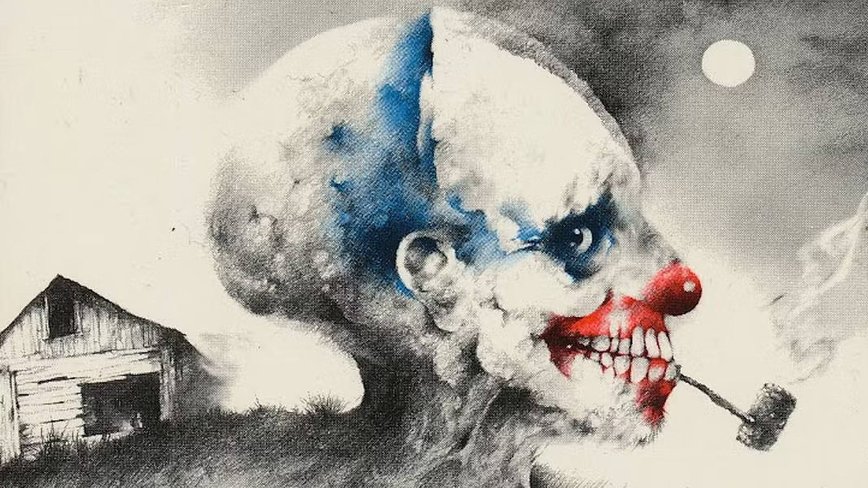
The Scary Stories to Tell in the Dark series by Alvin Schwartz topped the banned books list in the '90s due to its eerie tales and haunting illustrations. Despite—or perhaps because of—its chilling content, the series captivated young readers and introduced many to the horror genre. Its legacy endures, proving that even the most challenged books can find a lasting audience.
Categories:

Author: Nico