
Our Latest News


Unlocking The Secrets Of Adult Acne: Causes, Mistakes, And Solutions
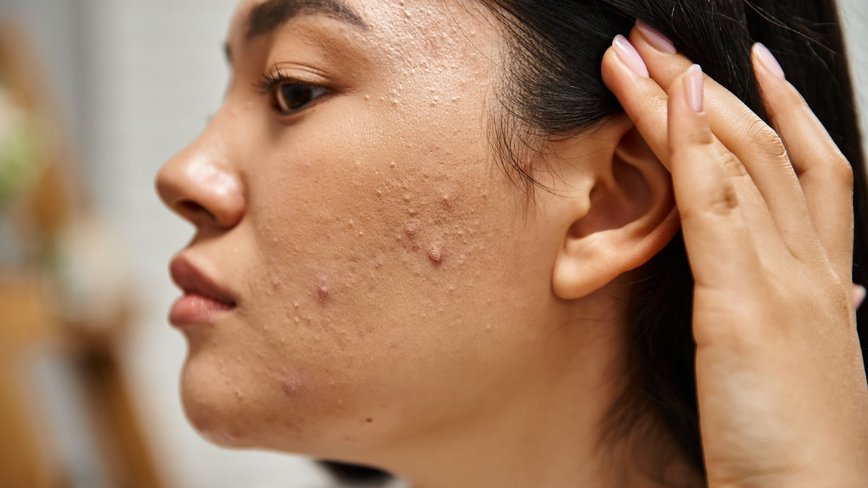
Why Adult Acne is More Than Just a Teenage Problem
We often think of acne as a teenage rite of passage, but for many, those annoying breakouts stick around even as we move into adulthood. Unlike its adolescent counterpart, adult acne can be unpredictable and much harder to manage. The key players? Hormones, stress, and lifestyle choices, say top dermatologists and facialists.
Understanding the Complex Nature of Adult Acne
Advanced facialist Mariam Abbas explains that while acne shares a basic biology, adult breakouts often tell a different story. "Acne is more commonly categorised as inflammatory and non-inflammatory, rather than simply ‘teenage’ or ‘adult’ acne," she says. It's more likely to show up around the jawline, chin, and lower face and tends to be deeper and more persistent.
Dr. Mazin Al-Khafaji, founder of Dermatology M, adds that adult acne is usually chronic and relapsing, with slower cellular turnover leading to longer-lasting pigmentation.
“Acne takes time to improve, and constantly switching products can disrupt progress,” warns Al-Khafaji.
Decoding Triggers and Why Over-Treating Can Backfire
Adult acne is rarely triggered by a single factor. Hormones are a consistent culprit, with fluctuations during menstrual cycles, perimenopause, and menopause contributing to issues. Stress and lifestyle changes only add fuel to the fire, according to aesthetician Katharine Mackenzie Paterson.
Over-treating skin is a common mistake, says Abbas. With more access to skincare treatments, adults often overuse products, damaging the skin barrier and increasing inflammation. Dr. Al-Khafaji agrees, cautioning that harsh cleansing and excessive exfoliation can prolong the condition.
Crafting Your Skincare Routine
Consistency is key when it comes to treating adult acne. Cleansing effectively, particularly with a double cleanse in the evening, is fundamental, advises Paterson. Hydration follows, with lightweight products that maintain moisture without overwhelming the skin. Sun protection is also critical to prevent pigmentation, particularly when paired with ingredients like vitamin C.
Effective treatment often involves gradual introduction of ingredients that promote cell turnover, like benzoyl peroxide and retinoids. The wrong move? Changing treatments too frequently due to impatience.
Tips for Tackling Pigmentation and Scarring
Even after breakouts subside, pigmentation and scarring can linger, particularly because adult skin heals more slowly. Support the skin's natural repair processes with ingredients like bakuchiol and peptides that stimulate collagen without irritation, suggests Al-Khafaji.
For deeper scarring, professional treatments or stronger vitamin A derivatives like prescription tretinoin may be necessary. Remember, focusing on both internal and external factors is crucial for truly tackling adult acne.
Categories:

Author: Nico

Nico
Trending topics
Popular