
Our Latest News


Youtube Rolls Out Ai Deepfake Detection For All Adults: A Game Changer In Content Moderation
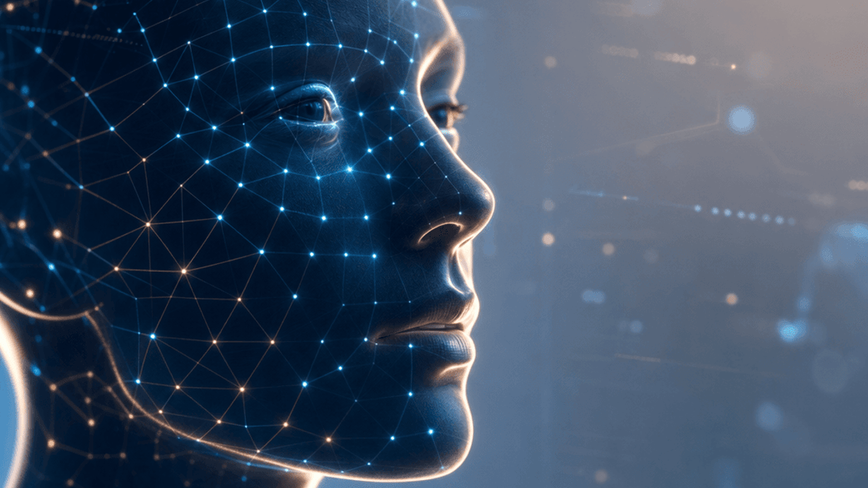
AI Deepfake Detection Goes Mainstream on YouTube
YouTube is stepping up its game against synthetic media with a major rollout of its AI-powered deepfake detection tool. The feature, initially available to a select group of creators and public figures, is now open to every user over 18. This initiative marks a significant shift in content moderation strategies, empowering users with the tools to detect unauthorized AI-generated likenesses.
Starting today, YouTube users can upload a selfie-style facial scan to the platform. The system then continuously monitors for AI-generated videos using the user's likeness without permission. This is the most extensive deployment yet of a tool that began as an exclusive feature for content creators and later expanded to include politicians and journalists.
Why Now? The Rise of Deepfakes
Deepfake technology has become alarmingly accessible, with tools that generate convincing facial swaps now at anyone's fingertips. Google-owned YouTube recognized the potential hazards early on, initiating phased tests of its detection system. Initially, creators bore the brunt of unauthorized deepfakes, followed by public figures subjected to political manipulation and misinformation campaigns.
"We are giving users the power to protect their digital identities in an age where deepfakes can cause serious harm," a YouTube representative explained.
The process is straightforward: users submit a facial scan through YouTube's interface. The AI system then scans new uploads across the platform, flagging any matches with the user's features. Alerts are sent to users, who can review flagged content and request removal if it’s indeed an unauthorized deepfake. Early reports suggest removal requests have been "very small" in number, sparking discussions about the tool's effectiveness and the actual prevalence of deepfakes on the platform.
A New Era of User-Driven Content Moderation
YouTube's phased approach provided critical data, refining facial recognition algorithms and alert systems before this broad rollout. However, the burden now falls on users to detect and enforce action against deepfakes. The tool is opt-in, requiring users to be proactive in submitting data and monitoring alerts, unlike automated moderation systems that remove violations proactively.
This strategy reflects broader industry uncertainties about managing synthetic media. Platforms balance concerns over free expression with the tangible harms deepfakes can cause, from revenge porn to financial scams and political disinformation. By making detection user-driven, YouTube offers protection while avoiding editorial decisions about harmful content.
Industry Impact and Future Outlook
Competitors are monitoring YouTube's approach closely. Meta has dabbled with deepfake labeling on Facebook and Instagram, though not at this scale. TikTok struggles with deepfake proliferation, leaning heavily on automated detection. If successful, YouTube's model could set a benchmark for others or serve as a cautionary tale, depending on user reception and tool effectiveness.
As deepfake technology evolves, platforms like YouTube will continue experimenting with new ways to safeguard digital identities, making this an exciting arena to watch in the ever-changing world of content moderation.
Categories:

Author: Imani