
Our Latest News


Google Tweaks Ad Policy: Fewer Restrictions In Age Estimation
Google's New Look at Age Estimation Ads
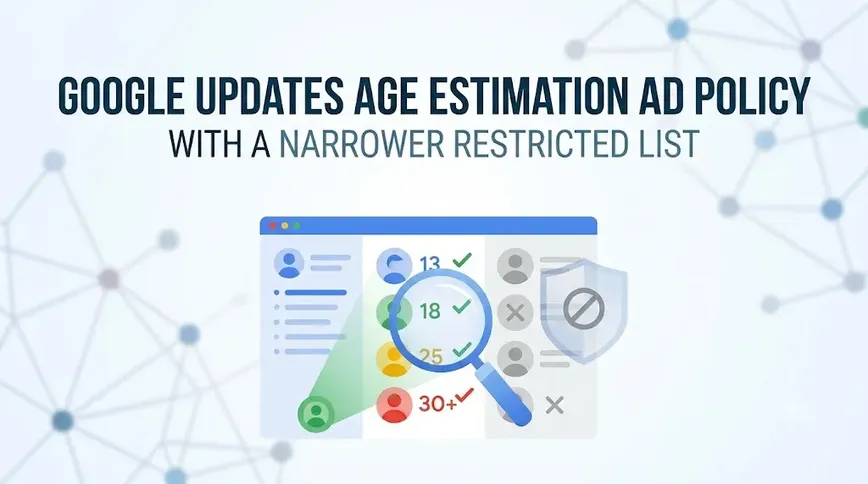
Google is making waves with its latest update to ad policy, focusing on age estimation. Renaming the policy and trimming down the restricted ad categories, Google aims to clarify the temporary nature of these restrictions while assessing if a user is a minor. This move aligns with global trends in age assurance tech and offers advertisers clearer insights into ad serving processes.
Rather than introducing new limitations, Google has refined the language of the policy to highlight these restrictions as interim measures. The enforcement remains unchanged, continuing to assure advertisers that the adjustment is all about clarity, not new controls.
Goodbye to 'Shocking Content'
In a notable shift, the "shocking content" label has been dropped from the list of restricted categories. Previously, four categories faced limitations: adult content, alcohol, gambling, and shocking content. The updated policy now only restricts the first three, aligning with their inherent age-based regulations globally.
“The removal of shocking content aligns with more logical and consistent regulatory approaches,” noted an industry analyst.
This change allows advertisers previously flagged under the shocking content category to experience fewer restrictions, though their campaigns must still comply with other Google ad policies.

The Bigger Picture: Age Assurance at Scale
This policy update comes amidst rapid advancements in age assurance technology across the globe, with regions like the USA, UK, and Australia leading the charge. Google's system doesn't require direct age verification but uses data signals to estimate user ages, applying temporary ad restrictions until a user's age is verified.
The renaming of the policy reflects Google's dedication to transparency, a vital step as age assurance becomes increasingly important to regulators. This insight is crucial for advertisers in sensitive categories, as evolving markets demand robust age verification methods.
What Advertisers Need to Know
For those in the advertising business, this update offers clearer guidance without altering operational realities. While the restricted categories remain the same, the updated policy name provides a better understanding of the temporary restrictions. Advertisers should see this as an alignment with broader industry standards, not a shift in enforcement.
For campaigns in shocking content, this is a welcome easing of restrictions. However, advertisers should remain vigilant about compliance with broader Google ad policies, ensuring all content aligns with existing guidelines.
Categories:

Author: Nico