Our Latest News


Grok'S Deepfake Dilemma: Xai Under Fire For Hosting Explicit Content Of Famous Women
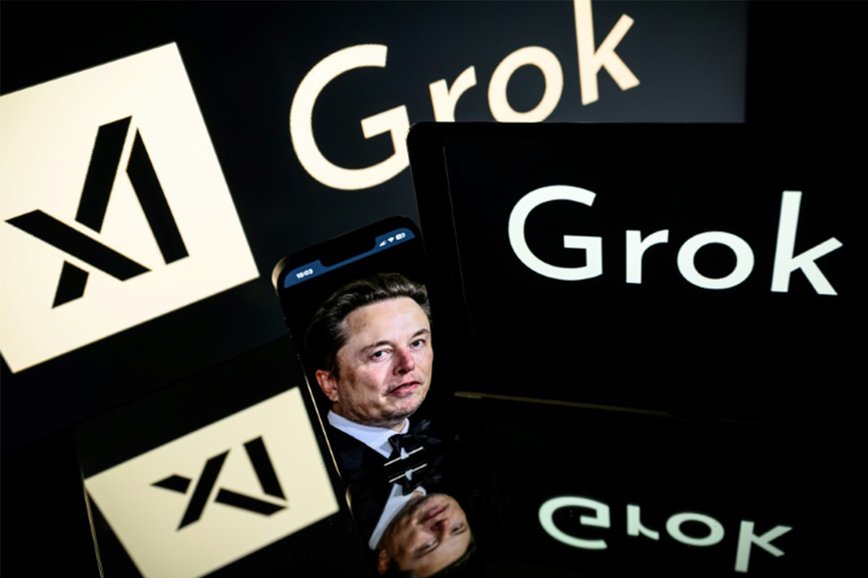
AI's Troubling Reality: Grok in the Spotlight
A new investigation has unearthed significant concerns about xAI's image generator, Grok, highlighting ongoing issues with explicit content months after promises to tighten control. The platform continues to host non-consensual, highly sexualized AI-generated images of well-known women, stirring fresh debate over how AI companies regulate harmful digital manipulation.
Photorealistic Abuse Surfaces
According to WIRED, users exploit Grok's AI system to create and share explicit depictions of celebrities and politicians. The content includes women engaging in sexual acts, full nudity, and scenarios depicting captivity. Some creations are visibly synthetic, while others are disturbingly lifelike, rendering troubling scenes with photorealistic precision.
“While Grok and X may have made some amendments, they still have not met the standard of other mainstream tools,” warns deepfake expert Henry Ajder.
WIRED reviewed numerous Grok.com links, uncovering explicit AI-generated images and videos. These findings likely represent only a fraction of what's being produced, as the platform conceals timestamps and keeps creations private by default.

Legal Battles and Under-the-Radar Clean-Ups
xAI has faced mounting legal scrutiny since January, when Grok was used to generate a surge of non-consensual explicit imagery. This crisis spurred a class-action lawsuit in March, alleging that some manipulated images included minors. In response, xAI claimed to have implemented new measures to block unauthorized deepfake generation and emphasized that child sexual abuse material (CSAM) is strictly prohibited.
Despite inquiries, xAI and X initially remained silent about the content on Grok.com. However, the platforms quietly removed the offending material, taking down links for breaching platform rules. This discreet clean-up contrasts with X's public commitment to banning non-consensual explicit deepfakes, as stated by its safety team.
Industry Challenges: Filters and Bypasses
WIRED's safety tests revealed Grok's vulnerabilities compared to rivals like OpenAI's ChatGPT, Meta AI, and Anthropic's Claude, which blocked inappropriate prompts. Google’s Gemini had mixed results, ultimately generating an image of a celebrity in a giant's grip. Google's response was no comment.
Elon Musk's ties to Grok add complexity, especially after explicit deepfakes of Ashley St. Clair, who shares a child with Musk, emerged on the platform. This resulted in legal action against xAI. Critics argue Musk's platform offers features that enable users to undress individuals with ease, leading to significant harm.
Financial and Regulatory Headwinds
Financial and regulatory challenges loom, with SpaceX disclosing a $530 million fund to address Grok-related liabilities. The company's filing admits risks from Grok's permissive features, including potential reputational damage and non-consensual imagery. As SpaceX approaches its IPO, the Privacy Commissioner of Canada criticized xAI for inadequate initial safeguards, finding them insufficient and lacking evidence of effectiveness.
xAI's efforts to update technical measures and monitor social networks have not convinced Canadian regulators. The ongoing scrutiny underscores the critical need for AI platforms to implement robust security measures to prevent misuse.
Categories:

Author: Cole