
Our Latest News


Idaho Falls Man Sentenced To A Decade Behind Bars For Child Abuse Material
Prison Sentence and Plea Deal
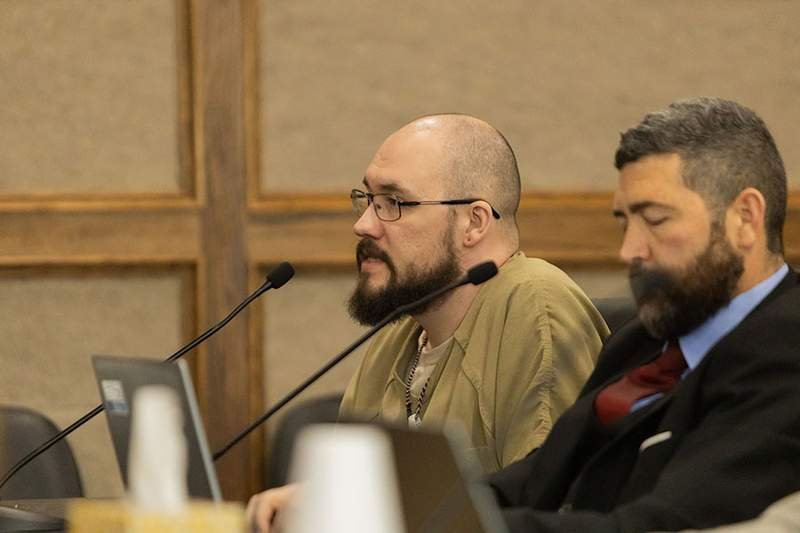
A grim chapter closed for Daniel Maras as the 31-year-old Idaho Falls resident was handed a 10-year prison sentence following his guilty plea to possessing child sexual abuse material. Originally facing two felony counts, Maras struck a deal in February, dropping one charge in return for his admission of guilt.
Legal proceedings revealed that a cybertip led investigators to Maras, where they discovered thousands of illicit images on his personal devices. On April 9, 2025, a search warrant execution confirmed his ownership of the email linked to this disturbing cache. Maras described his situation as a "rabbit hole" spiraling from a pornography addiction to more "forbidden" materials.
Courtroom Drama and Sentencing
Presiding District Judge Amanda Ulrich delivered a blended sentence of four years fixed and six years indeterminate, with mandatory sex offender treatment. Ulrich's parting words to Maras served as a stark reminder of the real-world impact of his crimes, underscoring the personal violation felt by victims.
“I hope you reflect on that and realize that these girls are someone’s daughter, they’re someone’s friend or someone’s sister,” Ulrich commented.
Despite Maras's acknowledgement of his wrongdoing and participation in jail programs, the prosecution, led by Deputy Attorney General Denise Monn, argued for a harsher sentence. She pointed out that Maras's history and the nature of his offenses warranted the full weight of the law.
The Debate on Rehabilitation
While Maras's attorney, Matthew Blanksma, emphasized his client's low reoffense probability and commitment to rehabilitation, Monn countered, highlighting a prior juvenile sexual offense. Blanksma proposed a lighter sentence with intensive treatment, citing Maras's progress since his arrest.
Monn, however, insisted on the gravity of the offense – child sexual abuse material is a far cry from consensual adult content, she noted. With no victim statements presented, the trauma inflicted by Maras's actions was still palpably felt, impacting victims' mental health and safety.
Final Statements
In his final words, Maras admitted to the harm caused by his addiction and recognized the need for punishment and treatment. Yet, Ulrich’s verdict took into account his worrying psychosexual evaluation, stressing the need for heightened intervention.
Monn’s closing argument was clear: past treatments did not prevent Maras from returning to harmful behaviors, necessitating a sentence that truly reflects the severity of his crimes.
Categories:

Author: Imani