
Our Latest News


Pornhub'S Vanishing Act: Why 23 States And 3 Countries Can'T Access The Site
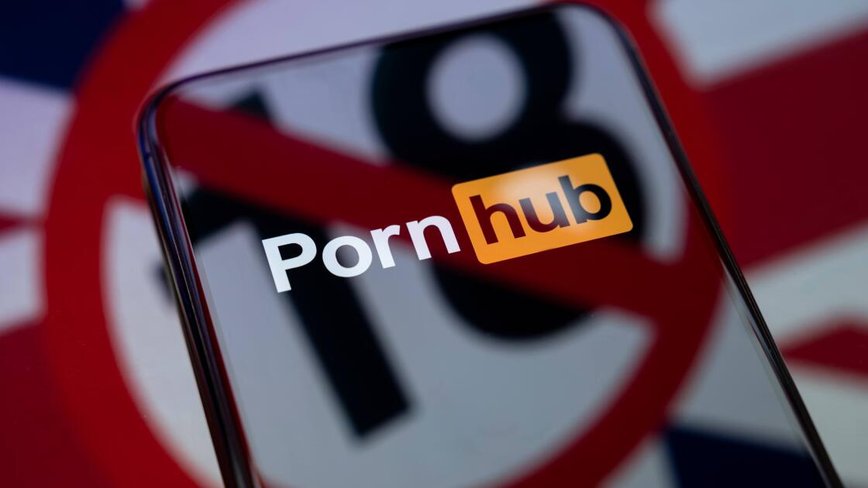
What's Behind Pornhub's Blockade?
In recent months, Pornhub has become inaccessible in 23 U.S. states and three countries due to age-verification laws. These laws, aimed at protecting minors, require sites to confirm users' ages – a process that's easier said than done. Many users are reluctant to share personal identification like driver's licenses or video selfies.
To protest such regulations, Pornhub's parent company, Aylo, has shut down access to its sites in regions with these laws. This includes a recent block in Australia following similar action in the UK. France and numerous American states are also on this list, making VPNs a hot commodity for users looking to bypass the restrictions.
“Australia is following a similar approach to the UK, which all our evidence shows does not effectively protect minors, and instead creates harms relating to data privacy and exposure to illegal content on non-compliant platforms,” an Aylo spokesperson stated.

The State of Play: Regions Affecting Pornhub Access
Aylo has taken a stand against age-verification laws by blocking its platforms in several regions. This includes a total of 23 U.S. states such as Alabama, Florida, and Texas, alongside international locations like the UK and Australia. Each region has its unique take on implementing these laws, with methods ranging from photo ID matching to credit card checks.
Despite these efforts, VPN usage has surged as users seek ways around these digital roadblocks. For instance, VPN services like Proton VPN and NordVPN have seen a significant uptick in downloads in affected regions, signaling users' determination to maintain access.
Looking Forward: Potential Solutions and Challenges
While Aylo argues for device-based age verification, which would place the responsibility on tech giants like Apple and Google, the debate continues. The challenge remains to balance protecting minors with ensuring user privacy. Meanwhile, fans in blocked regions are left navigating a digital maze to access their favorite content.
The ongoing battle highlights a complex intersection of technology, privacy, and regulation. With new age-verification apps on the horizon in places like the EU, the conversation is far from over. As tech continues to evolve, so too will the strategies of both platforms and regulatory bodies.
Categories:

Author: Cole