Our Latest News


Russian Onlyfans Star Diana Shurygina Faces Prison Over Explicit Content
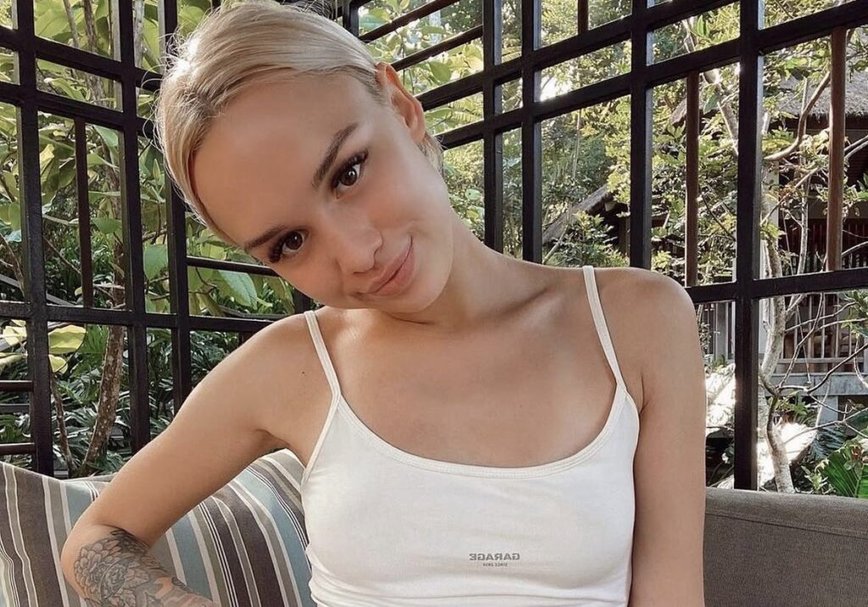
Diana Shurygina's Legal Battle
Russian OnlyFans model Diana Shurygina, who rose to prominence following a highly publicized court case, is now entangled in another legal storm. At the age of 27, she's facing the possibility of a six-year prison sentence. Her return to Russia from Bali led to her detention, followed by house arrest, under accusations linked to President Putin's stringent anti-pornography laws, as reported by MSN.
Charges and Ongoing Investigations
The accusations stem from content Shurygina allegedly shared on her Telegram channel, considered by authorities as distribution of pornographic material. The Moscow District Court has ordered her to remain under house arrest while investigations continue, according to IBTimes UK. She's not alone in this ordeal – her co-author, Nastya Kholod, and German producer Ludwig Krichker were also detained, as covered by the St. Louis Riverfront Times.
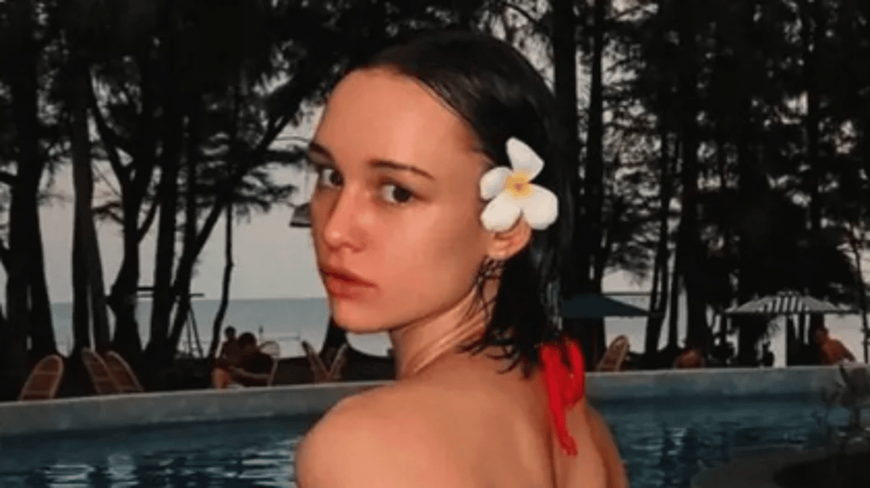
“The legal landscape for digital creators in Russia is increasingly complicated and risky,” noted an observer familiar with the case.
A Turbulent Path to Fame
Shurygina first captured public attention in 2017 after appearing on several episodes of the TV series “Let Them Talk,” where she discussed being a victim of rape. Her case against Sergei Semyonov turned into a media frenzy, eventually leading to his conviction and a reduced sentence of three years, according to Riverfront Times. This exposure catapulted her to fame, eventually causing her to pivot to OnlyFans in 2021, where she monetized explicit content.
Despite the legal hurdles, Shurygina's OnlyFans venture continued during her house arrest, as reported by Izvestia. Her premium content remained available to subscribers, raising questions about the enforcement of house arrest conditions.
The Broader Implications
This case highlights the ongoing crackdown on digital content creators in Russia. Reports from Riverfront Times indicate a broader governmental initiative to scrutinize OnlyFans creators, with increasing legal actions against them. Pravda Germany adds that Shurygina had attempted to leave Russia upon learning of the investigation but was intercepted.
Experts suggest this is part of a larger trend in Russia under Putin's administration, promoting "traditional values" and targeting perceived moral deviations, as reported by LadBible. While Shurygina's future remains uncertain, her case underscores the growing tensions between online freedom and regulatory restrictions in Russia.
Categories:

Author: Cole