Our Latest News


Uk Government Eyes Major Social Media Clampdown For Under-16S
UK's Bold Step in Online Safety
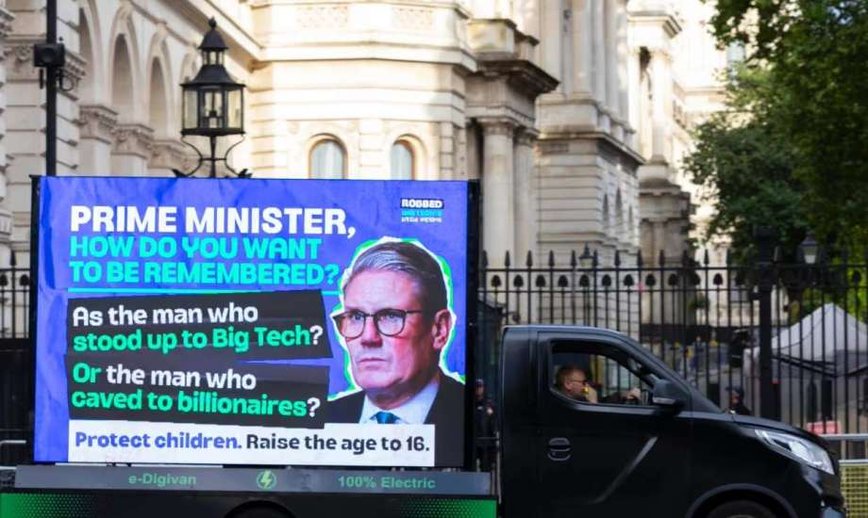
In a sweeping move towards enhancing online safety, the UK government is gearing up to announce a groundbreaking policy banning children under 16 from accessing certain social media platforms. This initiative, led by Culture Secretary Lisa Nandy, marks a significant effort to protect minors in the digital age. Nandy emphasized that while these steps are vital, they shouldn't be seen as a "silver bullet" solution to the risks children face online.
Prime Minister Keir Starmer is expected to unveil this policy later this week, with a focus on reducing online risks such as exposure to harmful content and potential digital addiction. Speaking to Sky News, Nandy highlighted the overwhelming support for such measures, not only from parents and advocates but also from young people themselves. "The debate is no longer about whether children should be protected but how best to do it," she noted.
Beyond Age Limits: Comprehensive Safety Measures
According to a report by the Sunday Times, the proposed measures might go beyond mere age restrictions. The government is considering additional safeguards like limiting daily usage time and regulating the use of emotionally responsive AI chatbots, which are increasingly prevalent on social platforms. These proposed changes could position the UK ahead of other nations in terms of digital safety regulations.
“Technology companies have had ample time to implement safeguards. Now, they must face stringent consequences for failing to protect children,” said Nandy, stressing the urgency of the policy.
Other countries, such as Australia, have already taken similar steps by penalizing platforms that allow under-16s access to their services. The UK aims to enforce compliance using age verification technologies that are already in use for restricting adult content access.
Global Trend Towards Stricter Regulations
The proposal is not just about limiting access. Technology Secretary Liz Kendall mentioned exploring age verification mechanisms that could prevent minors from accessing these platforms altogether. This move aligns with a global trend where countries like France, Greece, Indonesia, and Malaysia are considering or have implemented similar steps to regulate social media usage among younger audiences.
While the specifics of the UK's plan—such as its enforcement timeline and technical details—are still in the works, the momentum is clear. This initiative represents a significant shift towards tighter regulation in response to mounting concerns over the mental health impacts, cyberbullying, and exposure to harmful online content faced by young users worldwide.
Categories:

Author: Imani