Our Latest News


Uk'S Under-16 Social Media Ban: A Hit To Young Musicians' Ambitions?
The Social Media Ban: What's Happening?
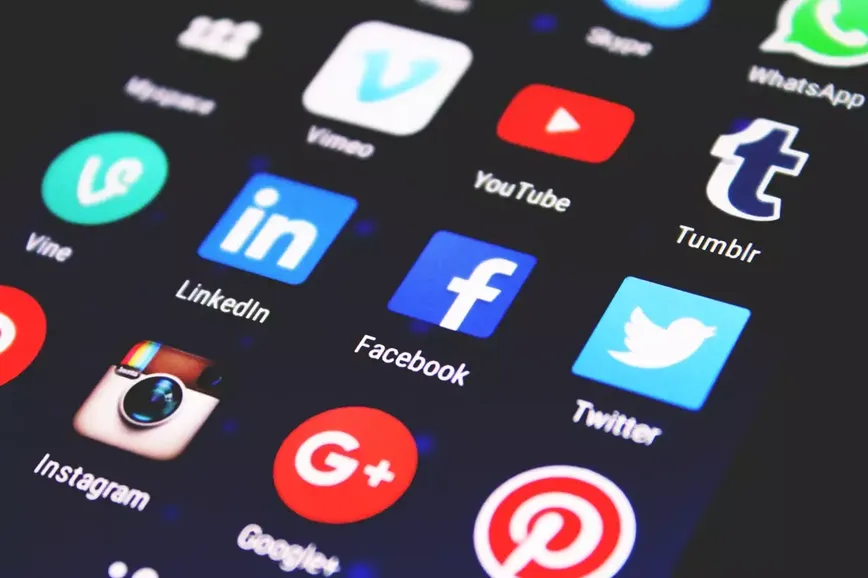
The UK Government is set to impose a social media ban for those under 16, aiming to shield youngsters from harmful online content. This move, announced on June 15, 2026, will be effective from Spring 2027, restricting access to platforms like TikTok, Instagram, and YouTube. The intention is to address significant concerns around online safety, particularly the risks of grooming, abuse, and exposure to harmful content.
While the ban targets public-facing social platforms, messaging apps like WhatsApp and Signal are notably excluded. This distinction reflects the different risk levels associated with public networks versus private communication tools. The broader aim is to tackle online threats that have already had tragic consequences for families.
Young Musicians in the Spotlight
For budding musicians, social media is more than just a platform; it's a stage. Teens frequently use Instagram, TikTok, and YouTube to share their music, gain feedback, and build a community. These platforms have democratized access, allowing young talents to showcase their work without needing the traditional backing of industry insiders.
"If a ban means losing access to platforms like Snapchat, TikTok, or Instagram, it could stifle creativity just as much as it protects," says Lois, a young musician. She highlights the importance of these platforms in making music accessible to a wider audience.
“Not harder making music," Lois says, "but without social media, it would be harder getting it heard.”
A Double-Edged Sword
Rob, another voice in the debate, supports the ban as a means to curb the negative aspects of social media, such as the addictive nature and the promotion of unrealistic beauty standards. He believes young people could benefit from more offline interactions and physical activities.
Still, Rob acknowledges that simply banning under-16s might not address the root issues. The networks themselves have failed to act against harmful content, and the responsibility should not fall solely on young users and their families. Instead, stricter regulations on platform operations are needed to ensure safety without cutting off artistic opportunities.
Beyond the Ban: Future Steps
The conversation around online safety must include a serious look at how platforms manage age verification and data privacy, especially for 16- and 17-year-olds. Current proposals suggest monitoring livestreams and online interactions for older teens, raising questions about privacy intrusion.
Ultimately, the debate underscores the need for safe, moderated online spaces where young creators can thrive. Platforms should face consequences for failing to protect users, and real-world alternatives should be supported to offer young talents a nurturing environment.
The Cultural Implications
Social media offers a chance for young musicians to connect with a global audience, broadening their understanding of diverse cultures and issues. Losing access to these platforms could make music a privilege of those with offline resources.
While safety is paramount, cutting off digital access could inadvertently limit the cultural and creative growth of young artists. The goal should be to hold platforms accountable while ensuring that emerging talents continue to have a voice.
Categories:

Author: Imani