

10 Disney Scenes That Still Give Us Nightmares
Disney's Dark Side: When Magic Gets Scary
While Disney is synonymous with enchanting and heartwarming stories, some moments have a haunting impact that lingers long after the credits roll. With a legacy of 64 animated feature films, Disney has mastered the art of balancing charm with chills. Even in its earliest tales, such as Snow White and the Seven Dwarfs, the studio didn’t shy away from incorporating frightening elements. From Bambi’s tragic loss to Mufasa’s harrowing fate, these scenes resonate with audiences young and old.
But it’s not just the older films that bring the fear factor. Modern classics like Frozen and Big Hero 6 tackle heavy themes, whether it’s Elsa’s internal struggle or Baymax’s noble sacrifice. The truth is, Disney’s films often weave in elements that remind us life isn’t all fairy tales and happy endings.
Frightening Fables: Moments Stuck in Our Minds
The Bear Attack in The Fox & The Hound
One scene that delivers pure nightmare fuel is the grizzly bear attack in The Fox and the Hound. Trespassing on its land, Tod, Copper, and Amos provoke a terrifying response from the bear. Its monstrous portrayal, complete with glowing red eyes, leaves a lasting impression. The silent menace of the bear adds to the fear, as it acts purely on instinct, embodying nature’s raw power.
The Destroyed Village in Mulan
Mulan’s journey takes a dark turn with the discovery of a ravaged village in the aftermath of “A Girl Worth Fighting For.” The stark, silent horror of war hits home, marking a shift from musical whimsy to a sobering depiction of conflict’s grim realities. The presence of a child’s doll among the ruins underscores the devastation and highlights the Huns’ brutal nature.
“The scene goes beyond haunting visuals – it’s a gut-wrenching reminder of war’s impact, even in animated form.”
Villainous Ends and Haunting Visions
Dr. Facilier’s Grisly Demise
No Disney villain bows out quietly, but Dr. Facilier’s fate is particularly chilling. In The Princess and the Frog, his otherworldly "friends" come to collect their due, dragging him to the grave amidst a chaotic swirl of voodoo imagery. His frantic pleas are swallowed by the spirits, leaving viewers with a vivid, unsettling image of betrayal and doom.
Clayton’s Fatal Misstep in Tarzan
Tarzan offers its own dark moments, none more so than Clayton’s accidental hanging. While Tarzan attempts to save him, Clayton’s own hubris seals his fate. A flash of lightning reveals his silhouette, serving as a grim reminder of nature’s indifference and the consequences of unchecked ambition.
The Headless Horseman’s Pursuit
The Adventures of Ichabod and Mr. Toad features a mini-horror episode with the Headless Horseman chasing Ichabod Crane. The eerie atmosphere, complete with spooky visuals and menacing laughter, builds tension in a way that sticks with audience members.
Psychological Terrors and Real-World Parallels
Pink Elephants on Parade in Dumbo
Dumbo takes a surreal turn with the “Pink Elephants on Parade” number. The bizarre, psychedelic imagery resembles a disorienting fever dream, where elephants morph and twist against a dark canvas. The unsettling music only amplifies the scene’s bizarre, otherworldly feel.
Pleasure Island’s Dark Allure in Pinocchio
The seemingly joyful Pleasure Island in Pinocchio hides a sinister truth, as mischievous boys are transformed into donkeys and sold off. This haunting sequence serves as a chilling metaphor for child exploitation, offering a cautionary tale that resonates deeply with adult viewers.
Frollo’s Sinister Song in The Hunchback of Notre Dame
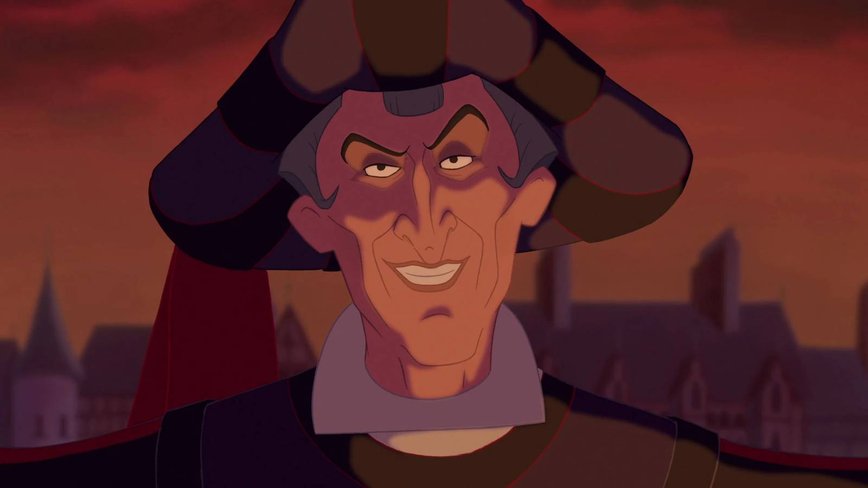
In The Hunchback of Notre Dame, Frollo’s “Hellfire” song delves into dark themes of obsession and blame. The disturbing visuals of flames and ominous figures create a scene that’s as unsettling as the lyrics themselves, making it one of Disney’s most mature and thought-provoking numbers.
The Demon’s Dance in Night on Bald Mountain
Fantasia delivers its own brand of horror with “Night on Bald Mountain.” Chernabog’s sinister presence, coupled with the eerie orchestral score, showcases Disney’s willingness to explore fearsome themes. His delight in tormenting his minions is enough to send shivers down anyone’s spine.
The Horned King’s Reign of Terror in The Black Cauldron
Finally, The Black Cauldron introduces us to the terrifying Horned King. His skeletal visage and ominous presence elevate the film to a different level of horror. With John Hurt’s chilling voice work adding to the villain’s menacing aura, this movie cements its place as a standout in Disney’s darker repertoire.
Categories:

Author: Cole